
ÁRBORE SENLLEIRA DE GALICIA

Baamonde · Begonte

I have stood here
for centuries

My name is Castiñeiro da Capela, though many
call me Milenario.
I am fond of all my names.They remind me that I am still here because someone saved me.

This is my story

CHAPTER I

I am no
ordinary tree.
Some trees hold something extraordinary.

Their stature, their age, their rarity, or the history that has grown around them.

I am one of them.

I am listed in the Catálogo Galego de Árbores Senlleiras, Galicia’s register of remarkable trees, established in 2007 to recognise and protect trees and groups of trees of exceptional value. A living heritage that brings together nature, landscape and memory, and must be preserved for future generations.

I am so oldI no longer rememberwhen I was born.

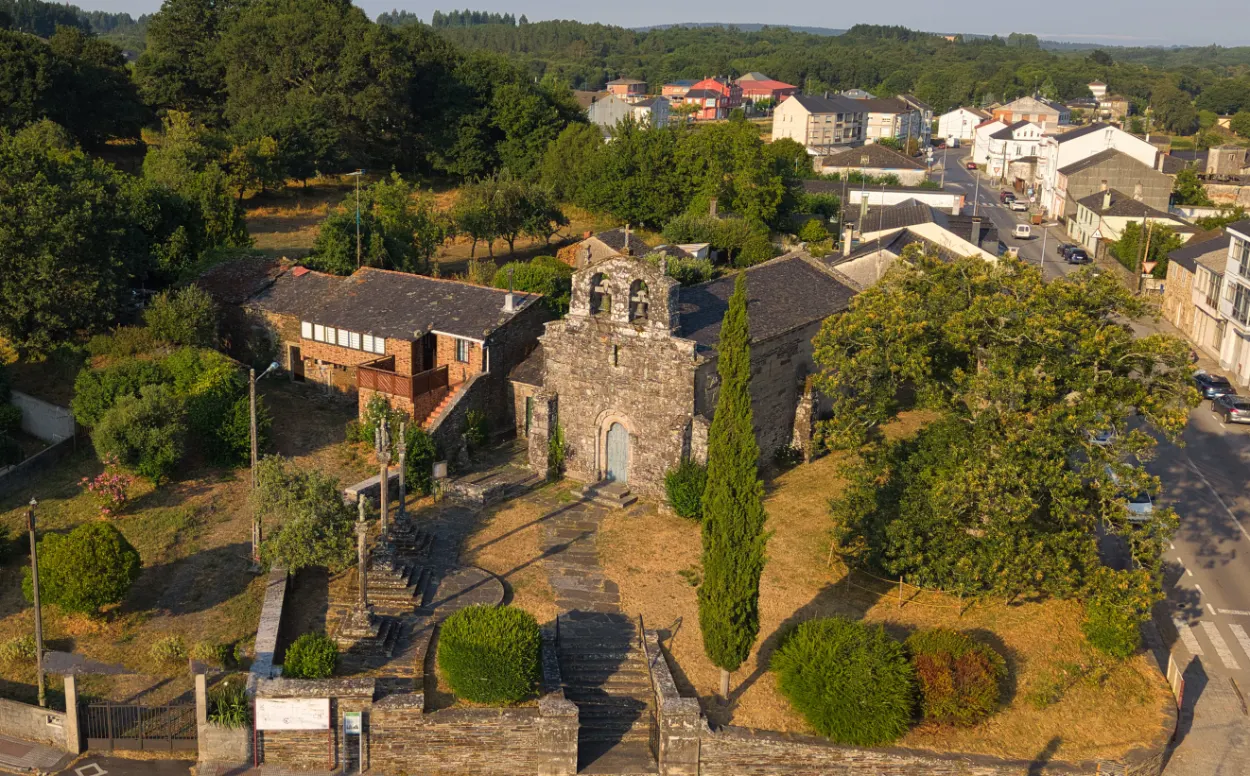
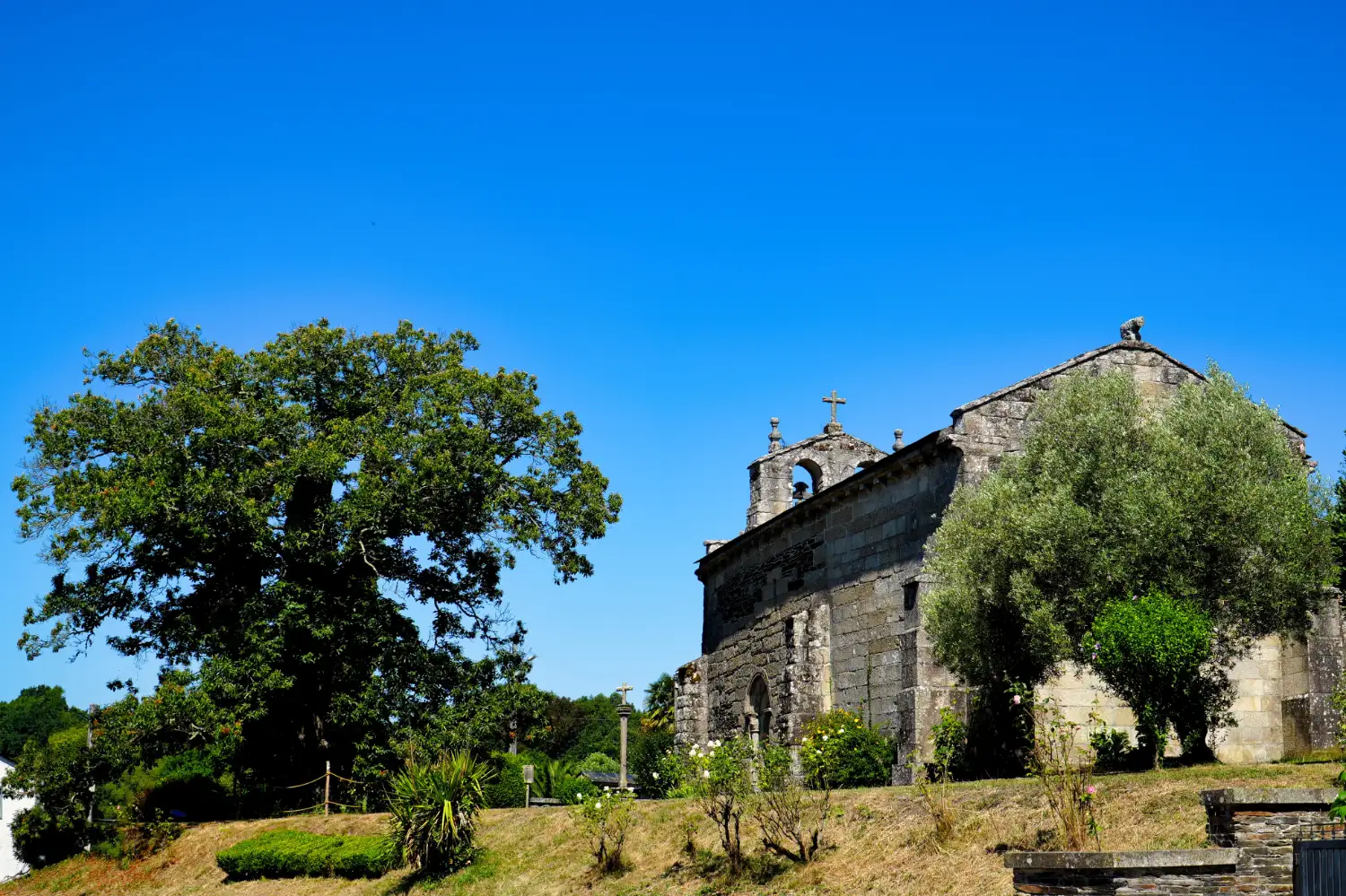
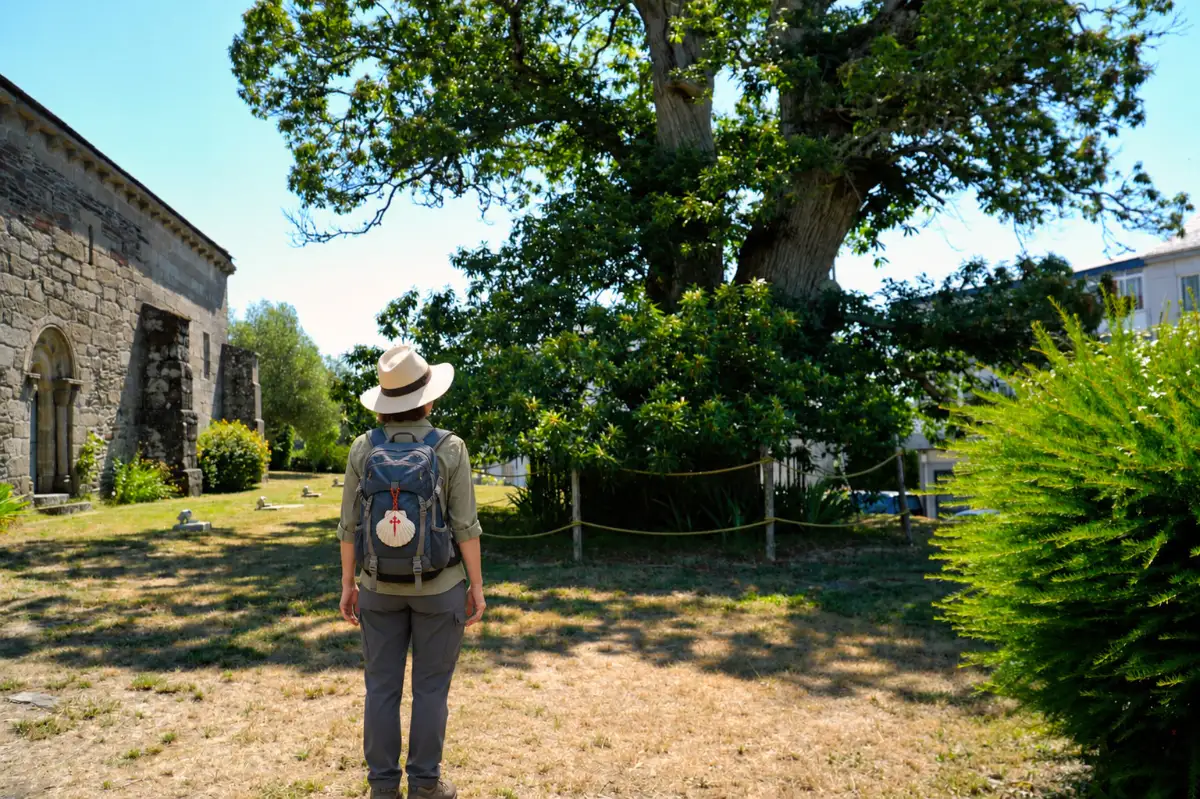
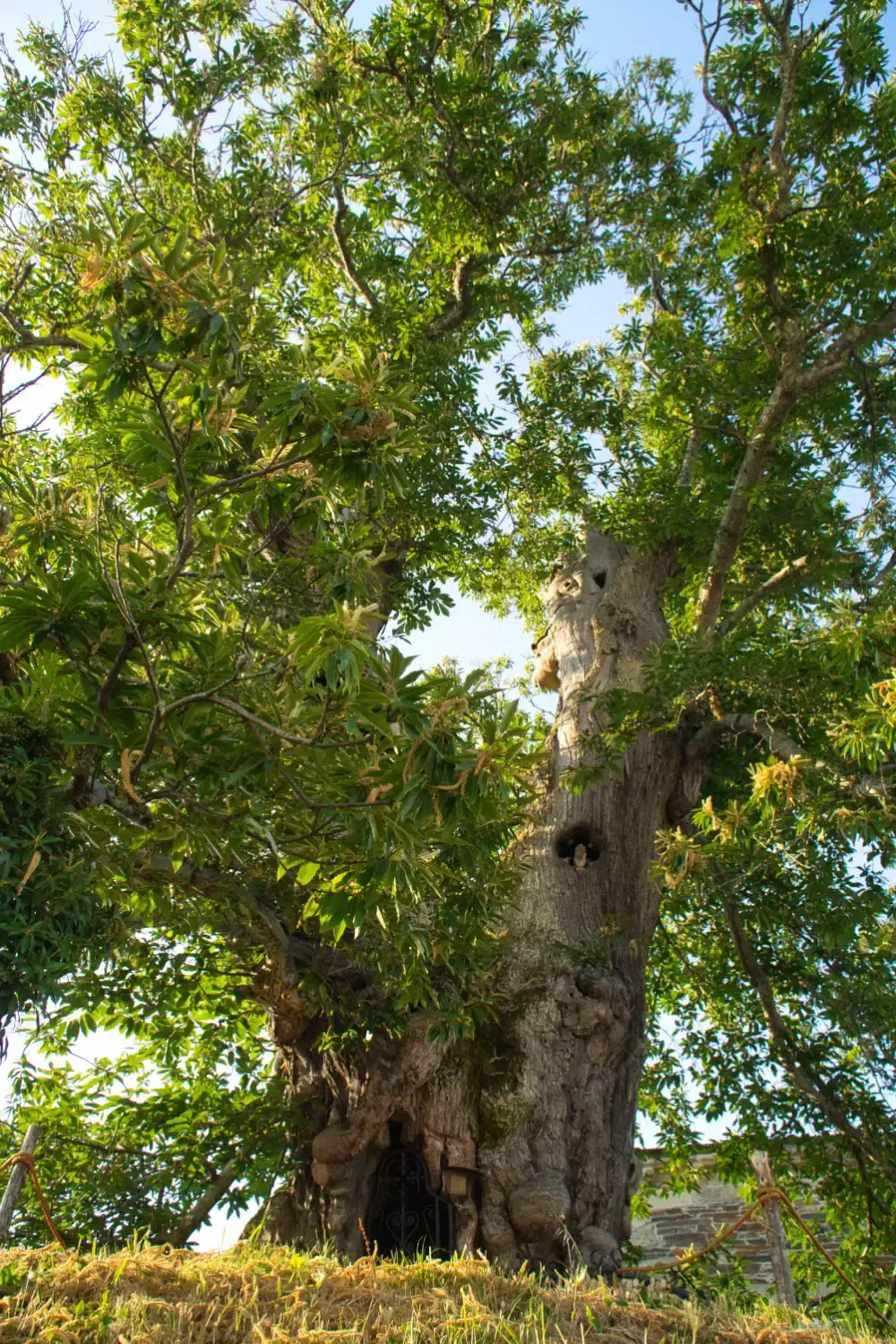
Some say it was more than five hundred years ago; others, perhaps three hundred. I grow beside the church of Santiago in Baamonde, in the municipality of Begonte, in the province of Lugo. Here I am part of a place where art, memory and life meet.

Though I was heavily pruned in the past, I endured and spread my branches once more.

My trunk is sturdy and leans a little. Just over two metres above the ground, it divides into two great limbs that support my crown and give it its distinctive broad, rounded shape.

LIFE WRITTEN ON MY BARK

More about me

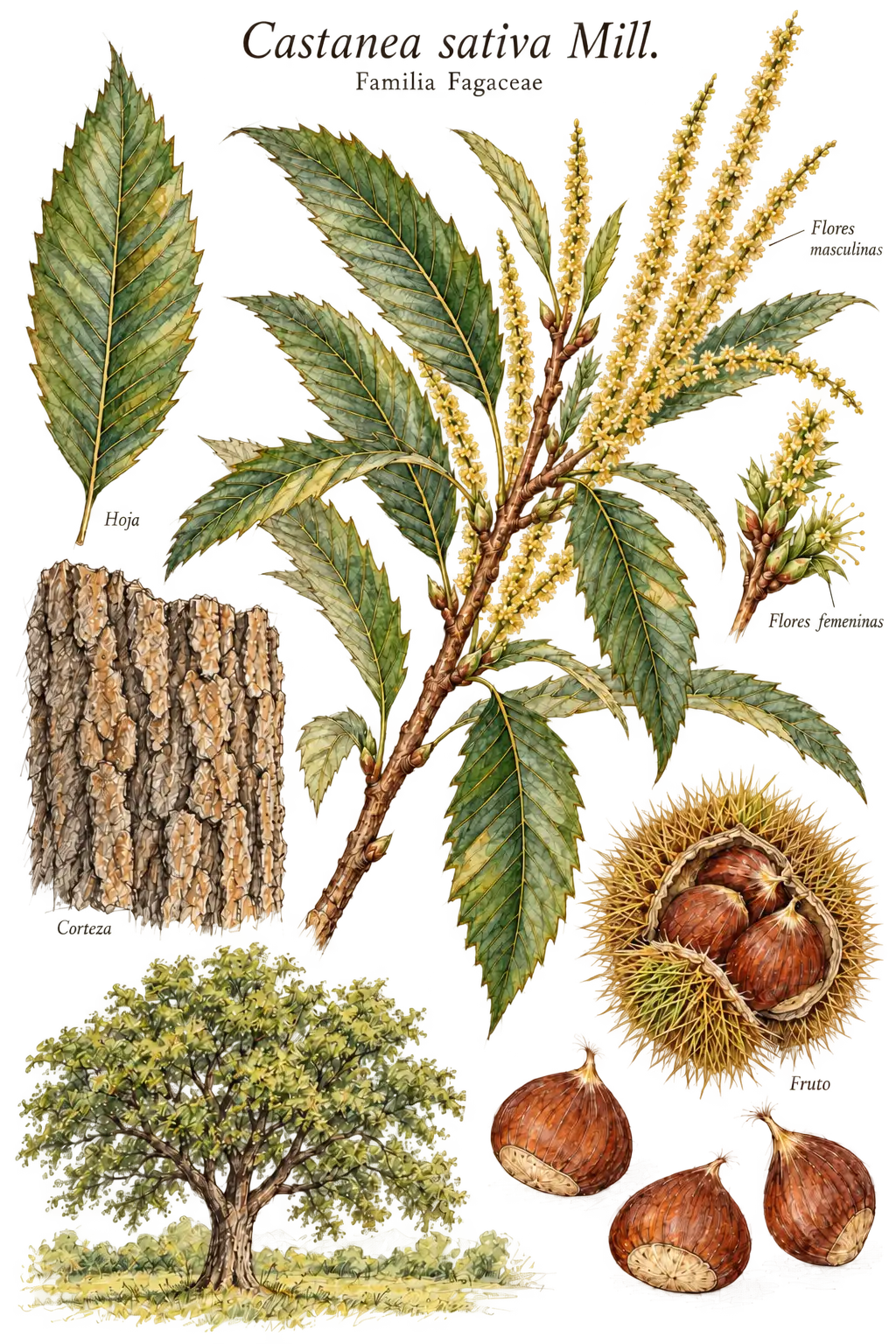
Castanea
sativa
Mill.

I belong to the beech family, Fagaceae. We chestnut trees can live for centuries and reach forty metres in height.

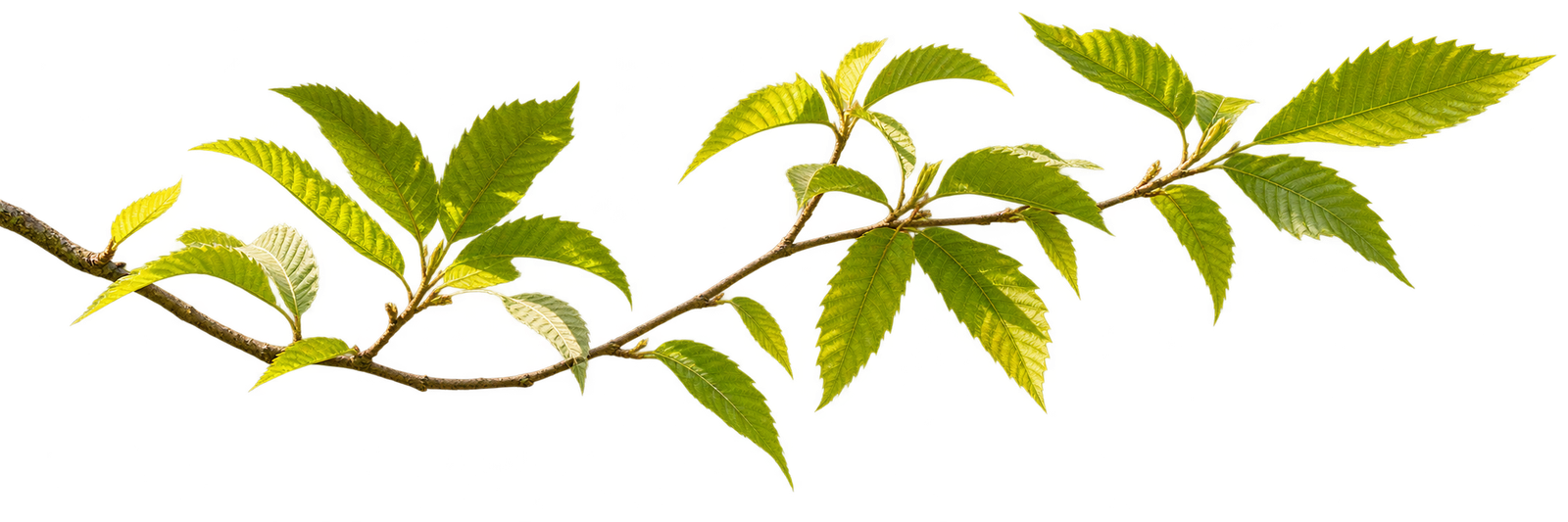
My leaves are long, with toothed edges. Each autumn I let them fall, following the rhythm of the seasons.

My flowers appear in May and June. In October and November, the chestnuts ripen inside their protective, prickly husks. For centuries, our fruits were a staple food for the people of Galicia, and today they remain a cherished part of the region’s cuisine.

Until recently, the Romans were credited with bringing us to the Iberian Peninsula. Yet we now know that our roots were already established here before the last ice ages.

CHAPTER II

The story of
two friends.
1967

THE REDIA PLAN

THE THREAT

I took root beside a route far older than I am. For centuries, pilgrims had followed it along the Northern Way towards Compostela.

Today, this is the road you know as the N-VI. Its origins lie in the Camino Real de Galicia, the Royal Road to Galicia, laid out in the eighteenth century during the reign of Charles III. From here I watched carts and horses pass, followed by the first motor cars. Traffic grew, and I knew that sooner or later the road would change again.

That moment came with the REDIA Plan, approved in 1967 to modernise Spain’s twelve busiest routes: some five thousand kilometres of roads. In 1971, the widening works reached Baamonde. I was still where I had put down roots, but now my trunk stood in the way.

After centuries of offering shade to those who passed, I suddenly stood in the way.

19671971

MY PROTECTOR

The boy
who used to climb
my trunk.

Víctor Corral. That was his name.

I never imagined that the boy who had climbed my trunk so often would become the man who helped me stay standing.

Víctor had known me since childhood. Through games of hide-and-seek, he grew up beside me. I watched him learn to see the natural world with a rare sensitivity that would stay with him all his life.

He loved animals, trees and plants. Caring for them, and for people, was part of how he lived. His deep spirituality found expression in that same commitment to the life around him.

1971 · THE RESCUE

One man.One tree.Another chance.

When the road-widening works threatened to bring me down, that childhood bond became an act of protection.

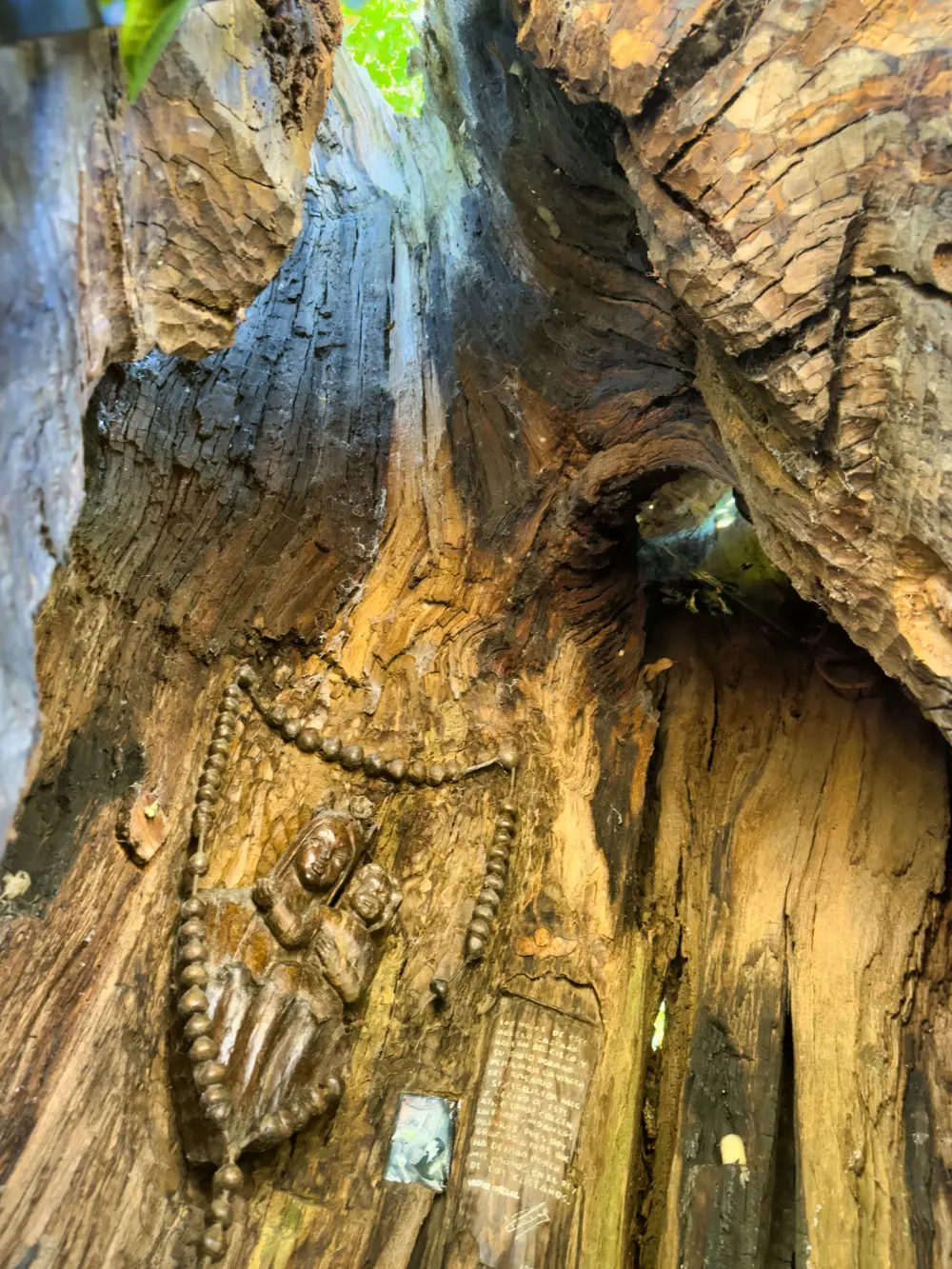
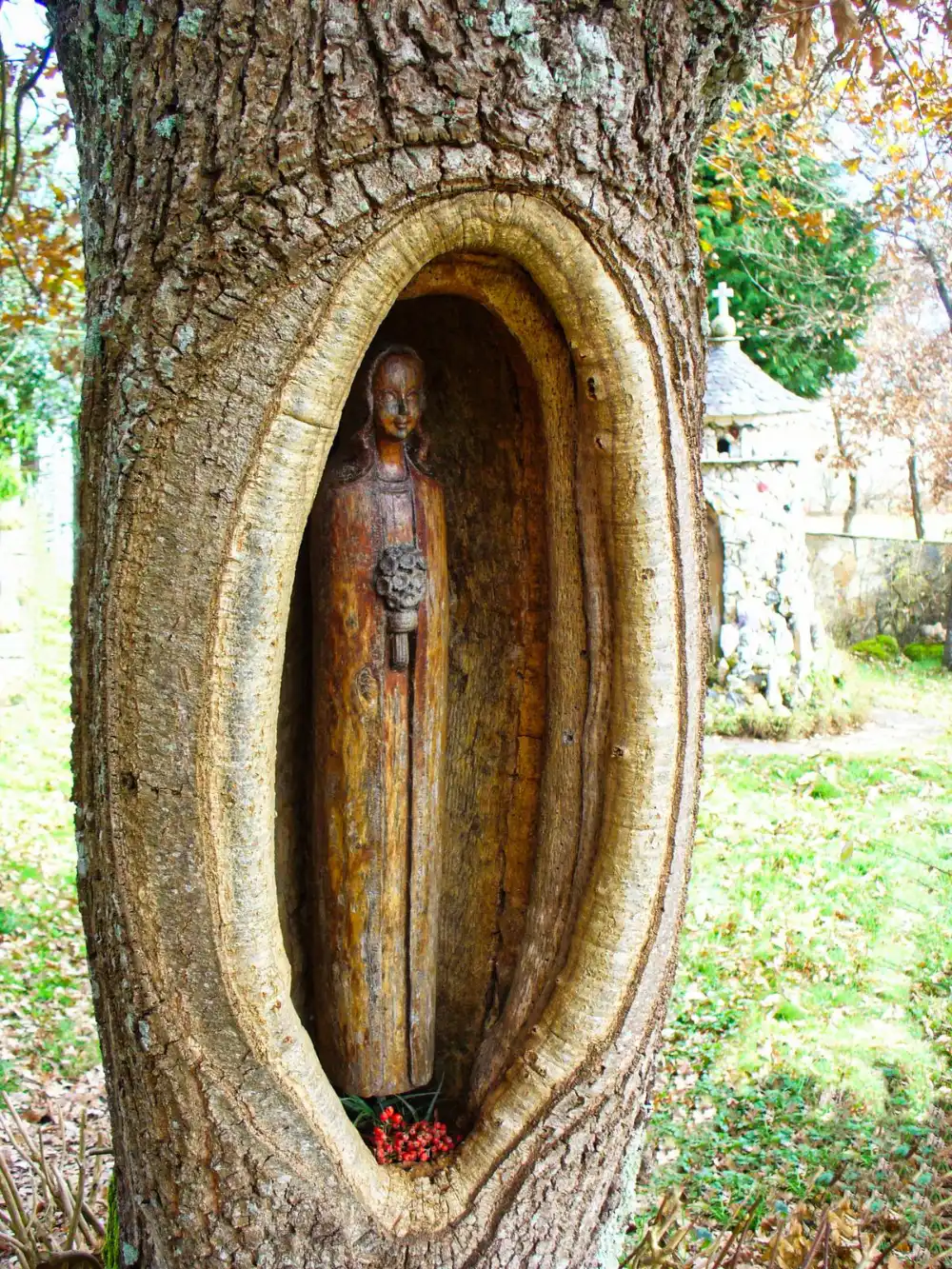
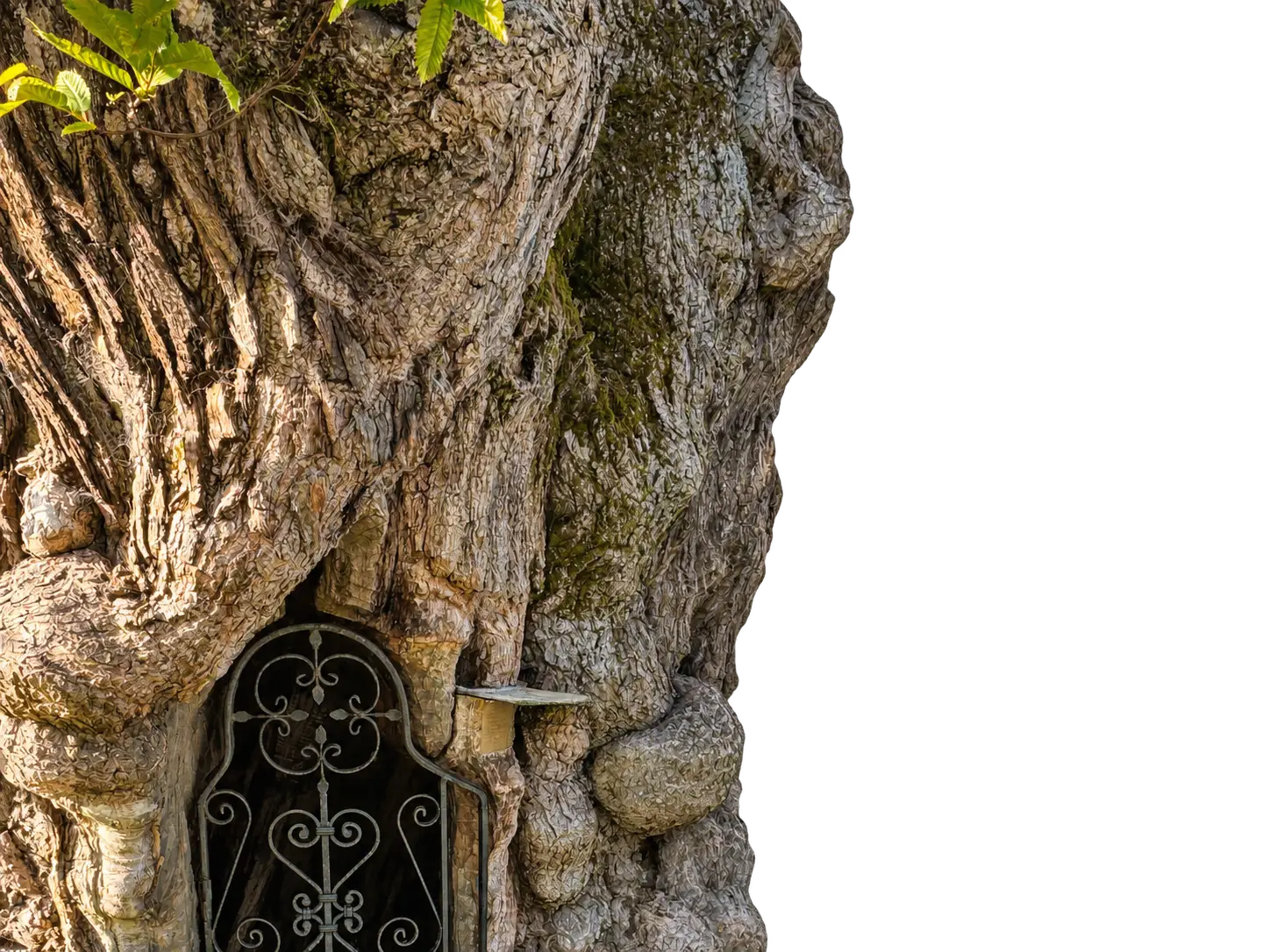
Víctor shut himself inside my hollow trunk. There, in my own wood, he carved a small shrine to Our Lady of the Rosary.

As his hands worked, word of my story spread beyond Baamonde. The attention of the press helped stop the felling, and I was able to remain.

THE STORY SPREADS

My story began to travel.

And soon, everyone knew me for my chapel.

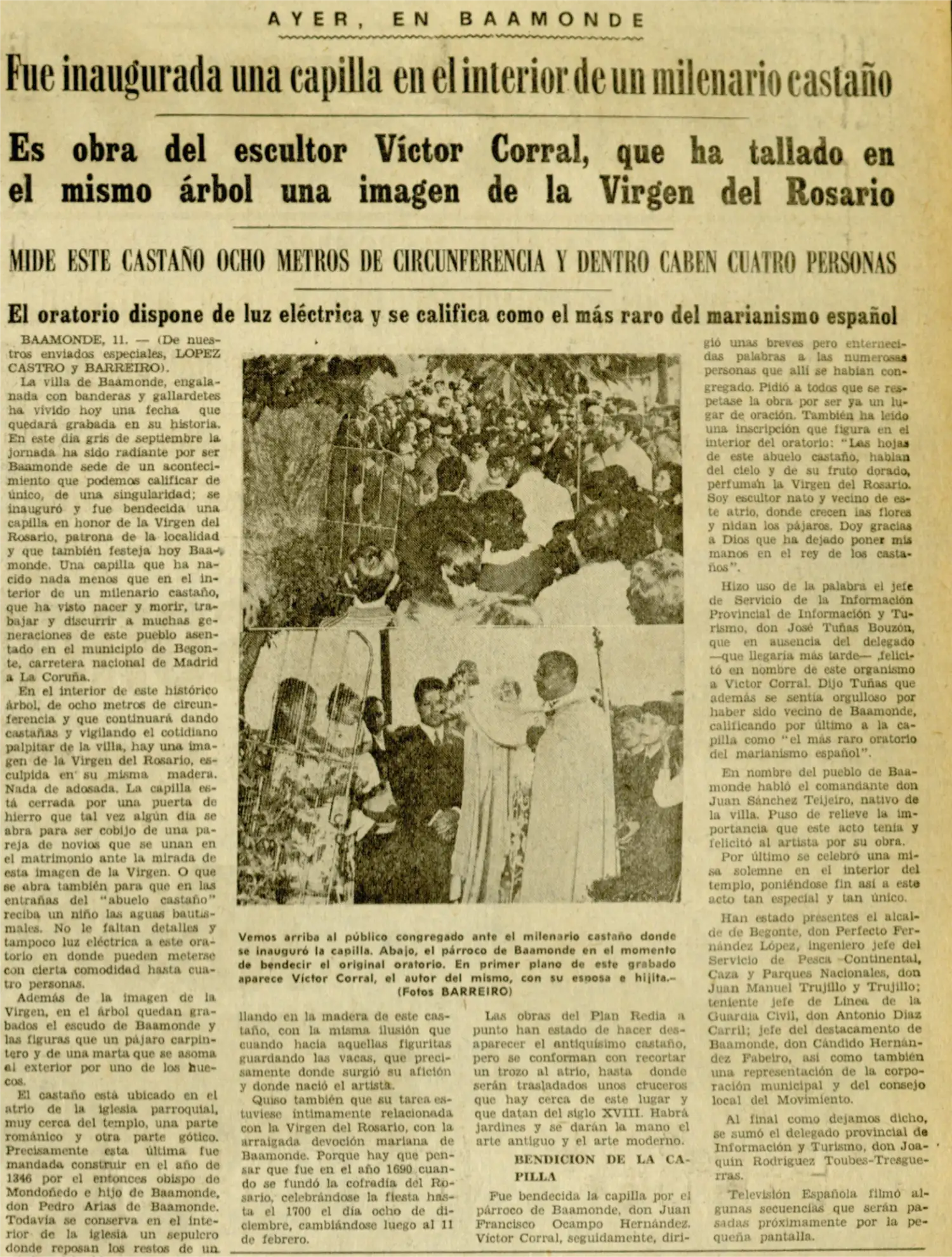
Recorte de El Progreso sobre la inauguración de la capilla del Castiñeiro da Capela, 12 de septiembre de 1971.
El Progreso 12.09.1971
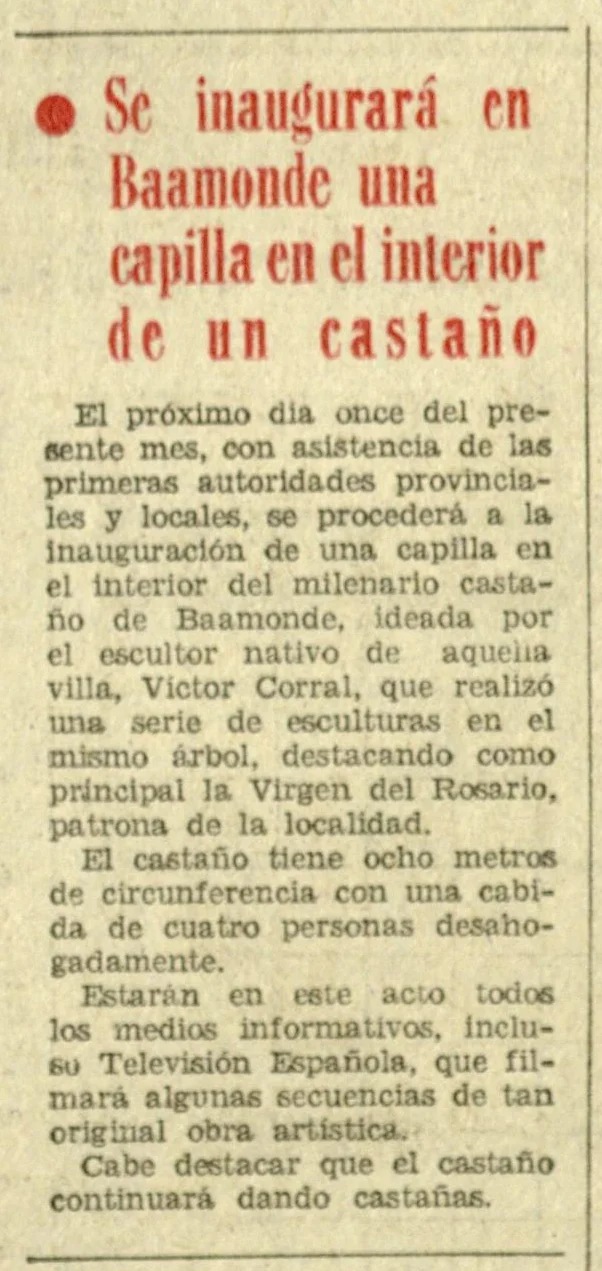
Recorte de prensa que anuncia la inauguración de una capilla en el interior de un castaño en Baamonde.
El Progreso. 05.09.1971
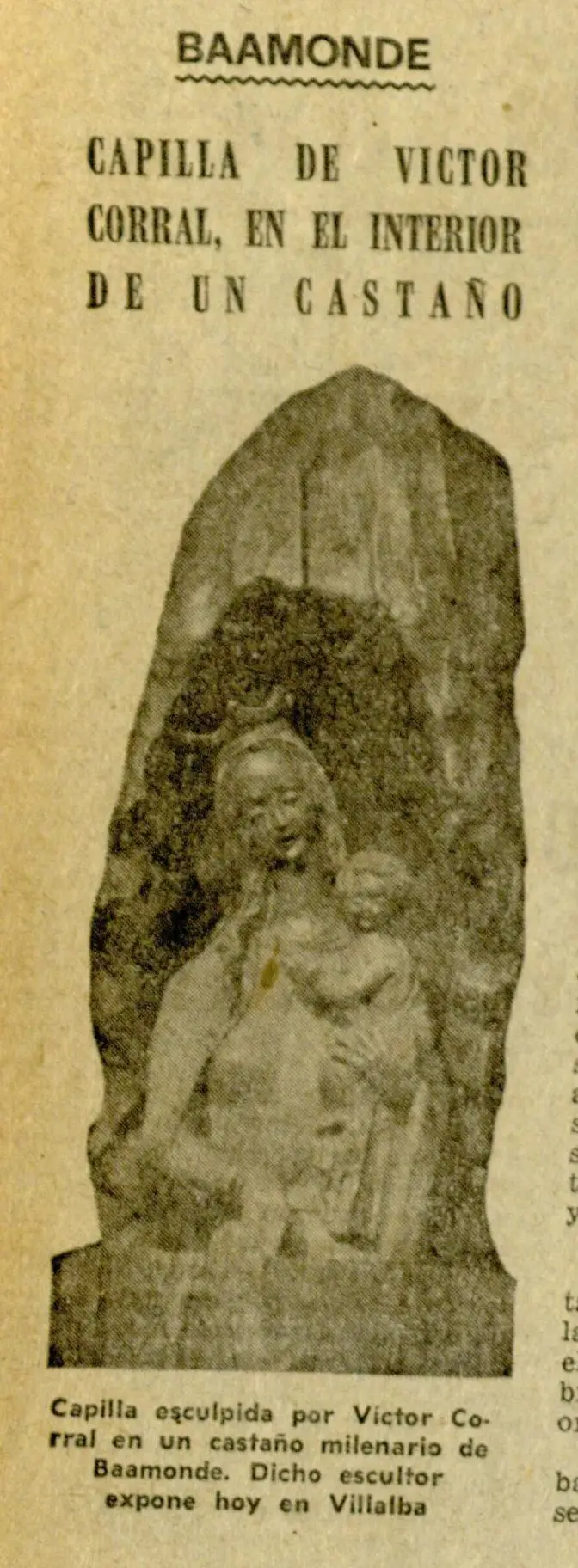
Recorte de prensa sobre la capilla de Víctor Corral, con una fotografía de la talla en el interior del castaño.
El Progreso 31.08.1972
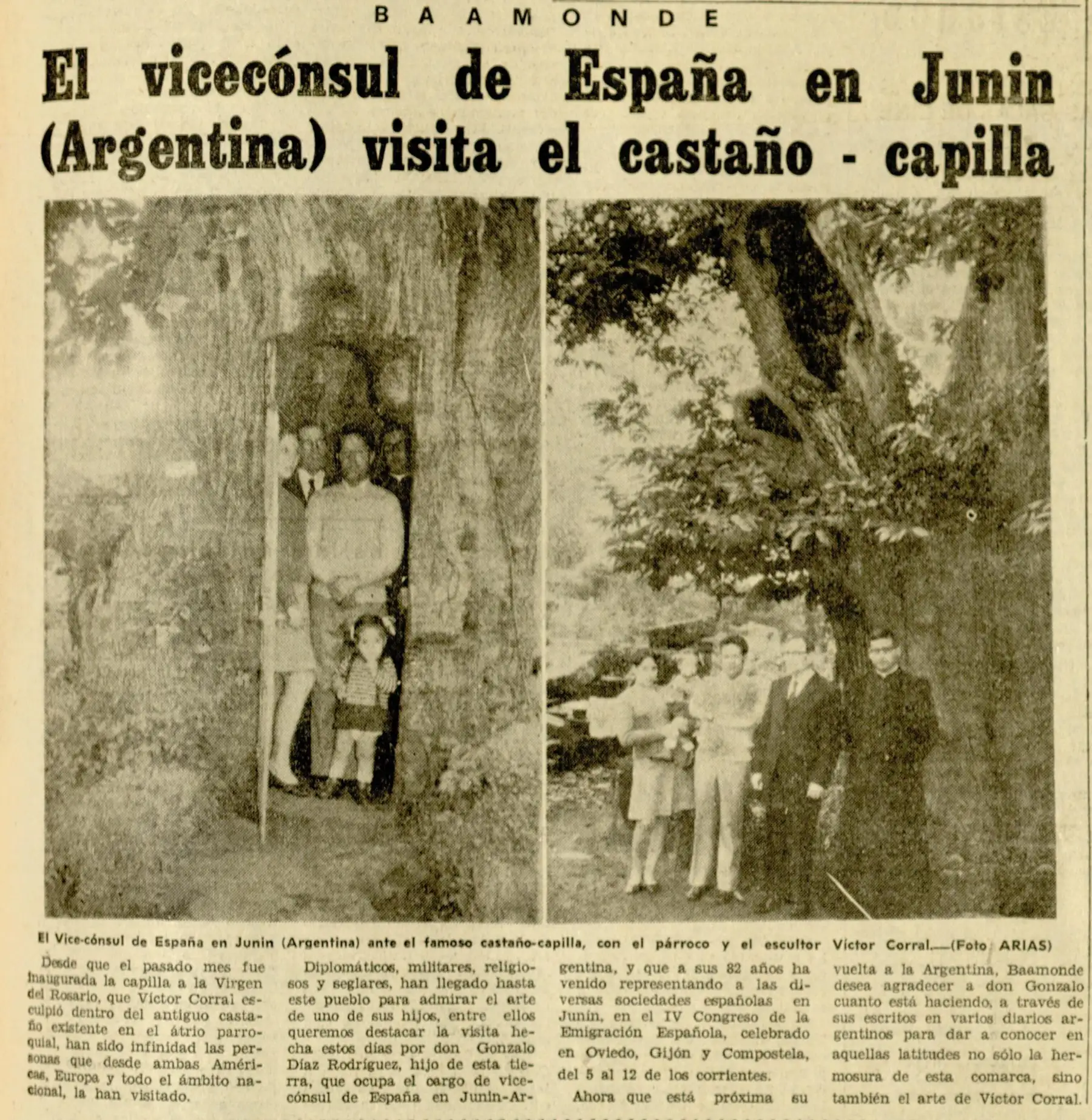
Recorte de prensa sobre la visita del vicecónsul de España en Junín al castaño-capilla de Baamonde.
El Progreso 23.10.1971
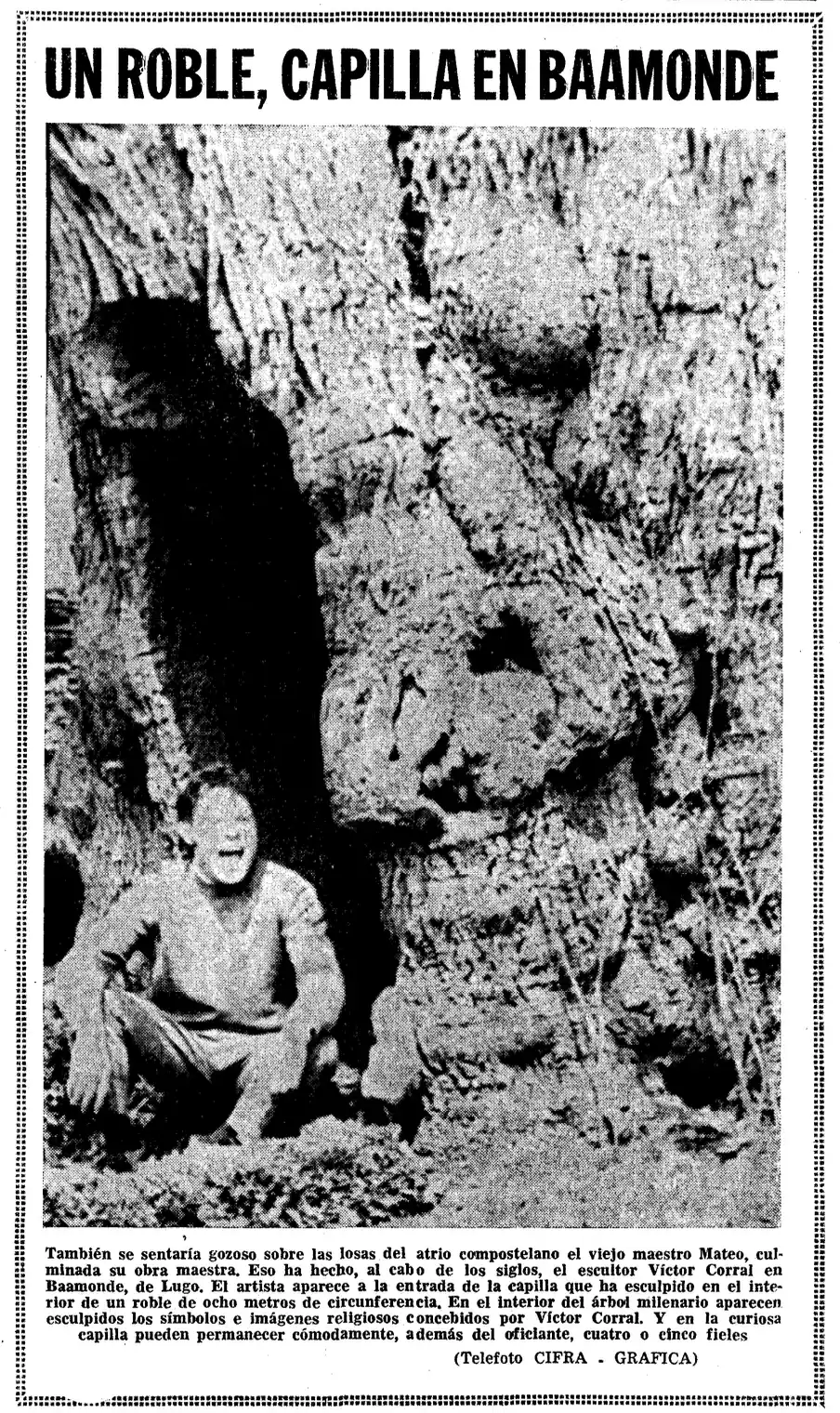
Recorte de prensa titulado «Un roble, capilla en Baamonde», con una fotografía de la capilla dentro del castaño.
Por error me llamaron roble - La Voz de Galicia 10.09.1971

CHAPTER III

His work.

WITHIN MY TRUNK

A chapel
within me.

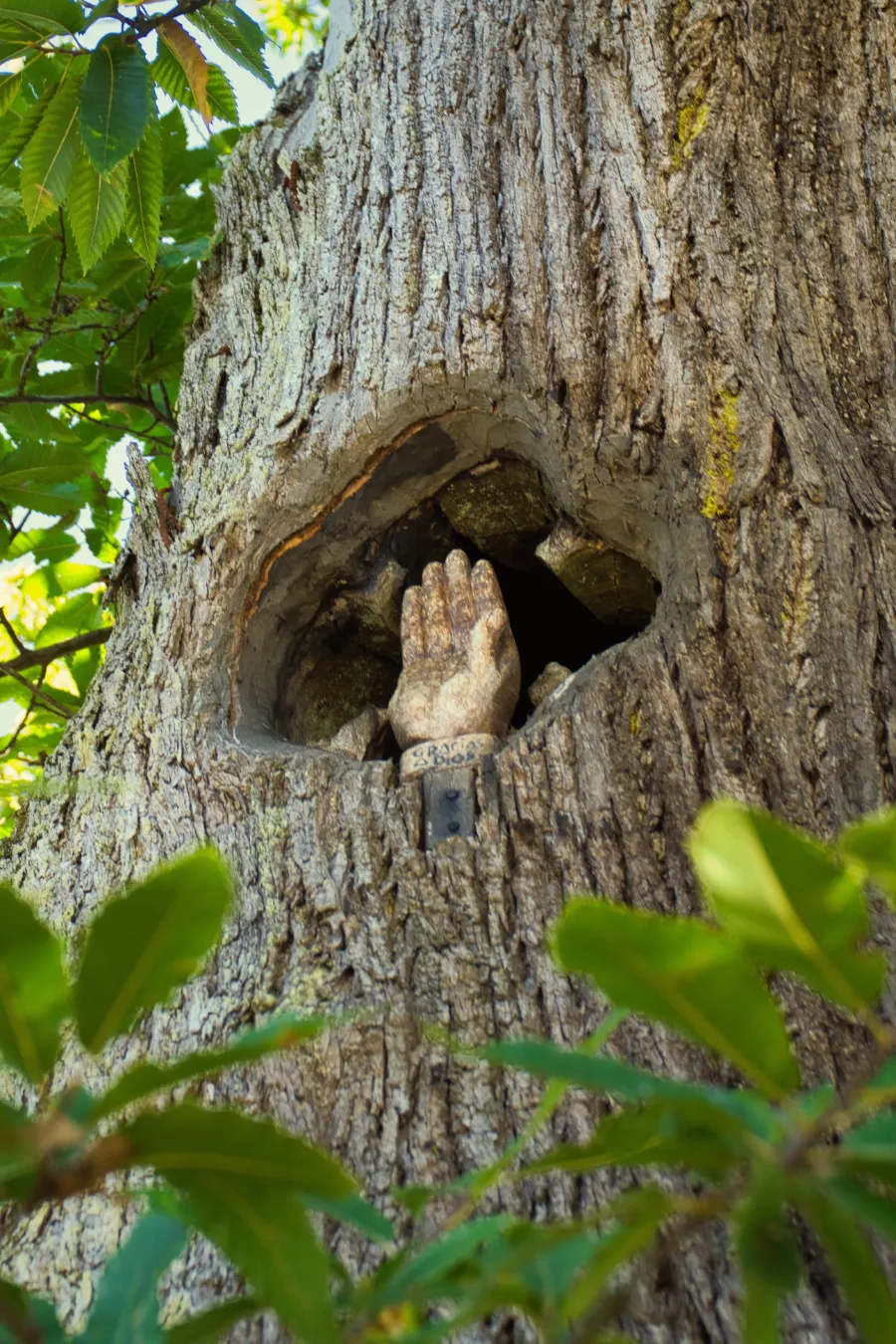
Inside my trunk, Víctor shaped a small chapel about two metres across, with room for up to four people. He carved an image of Our Lady of the Rosary, Baamonde’s patron saint, and surrounded her with words and symbolic carvings.

I bear the mark of the boy who returned to care for me, turning my old hollow into a place of quiet and peace.

IN MY BARK

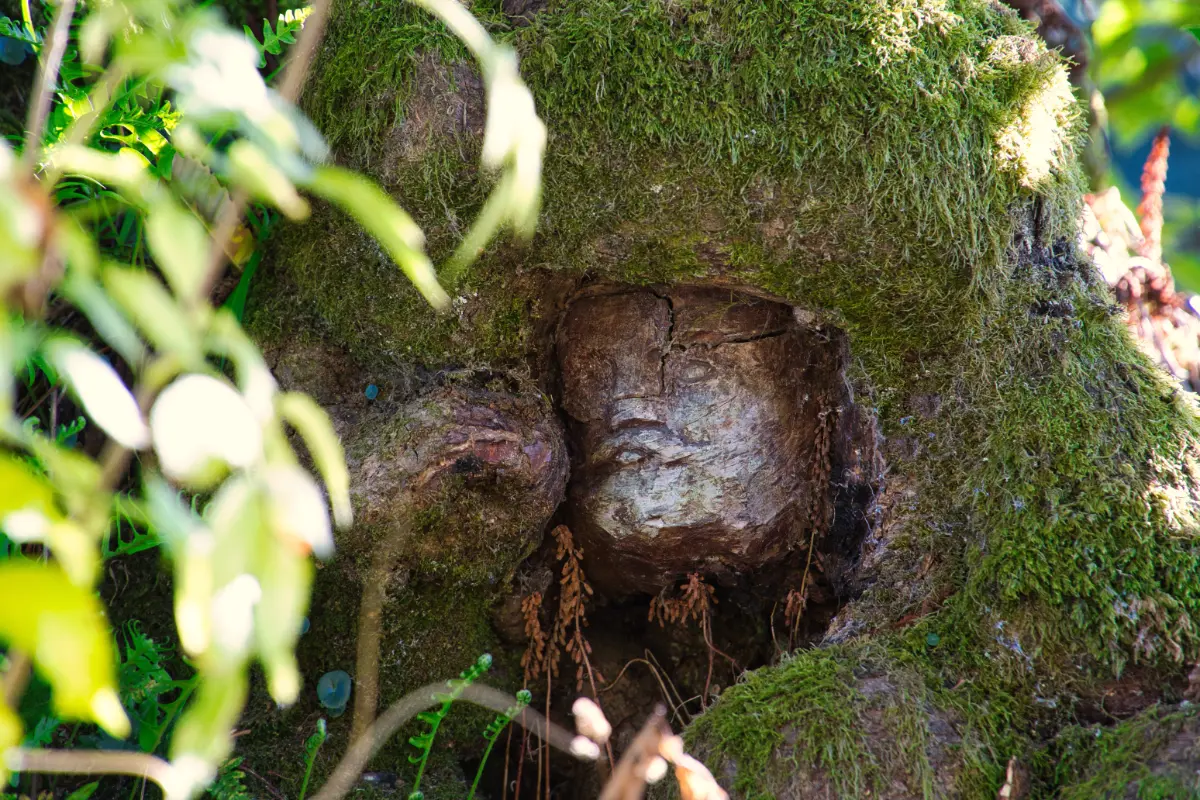
Look closer.

THE SHAPES IN MY WOOD

His hands
kept creating.

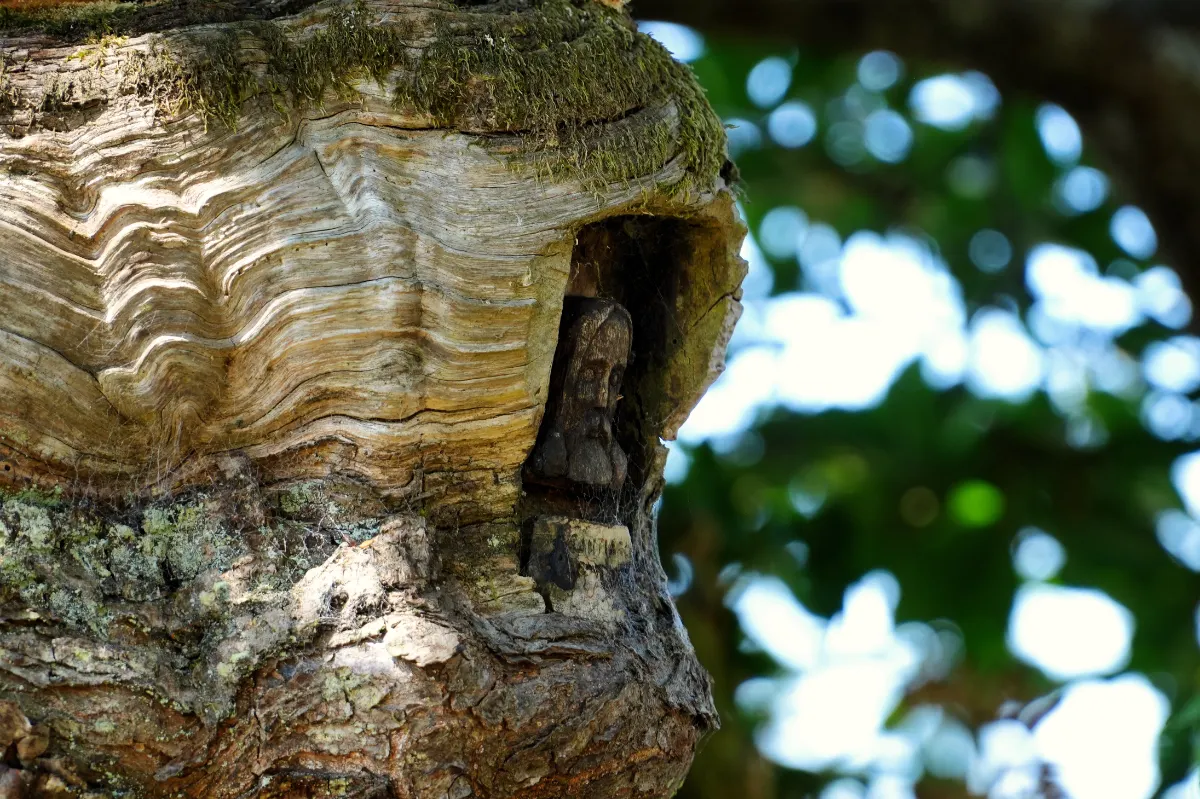
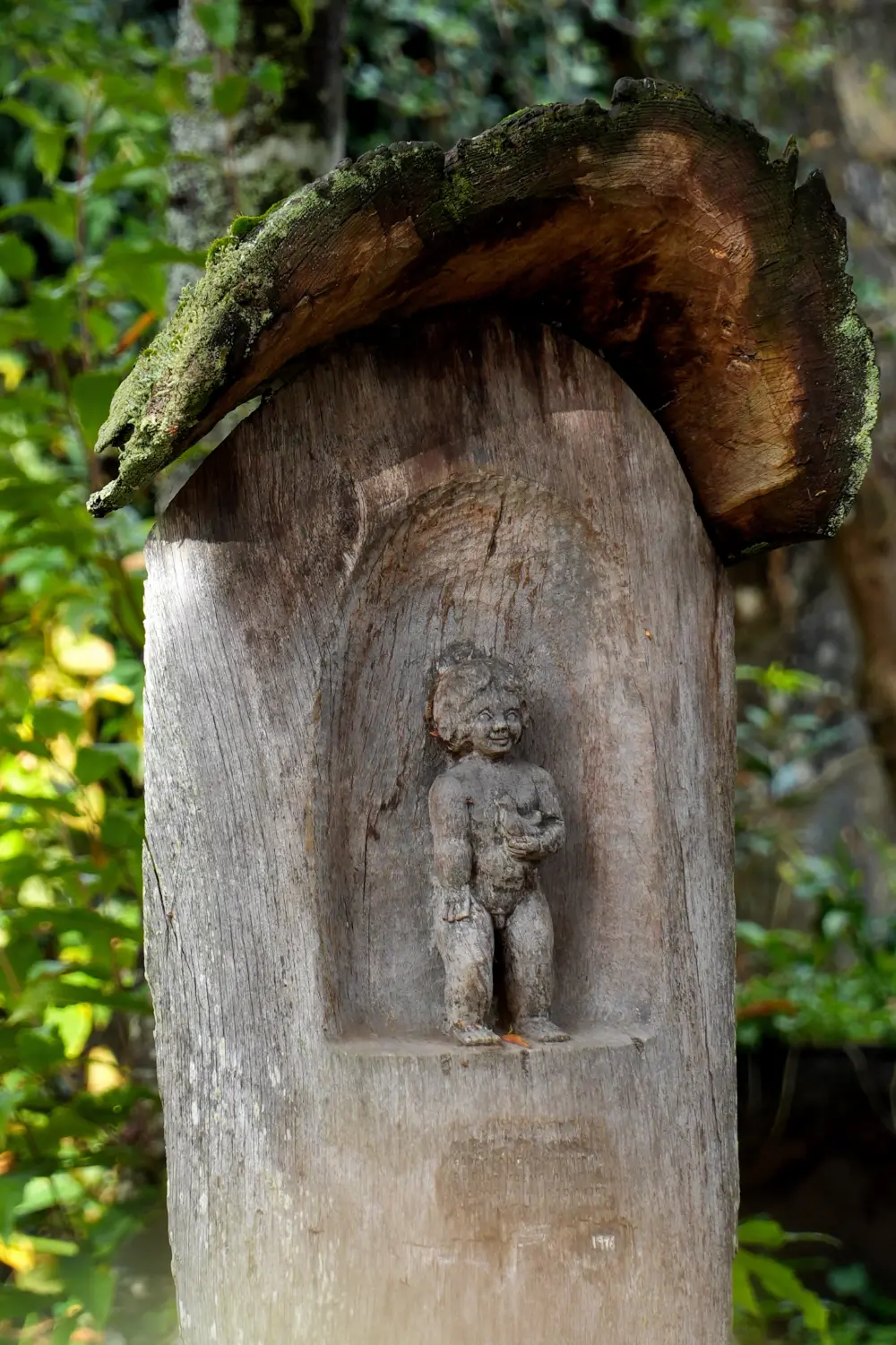
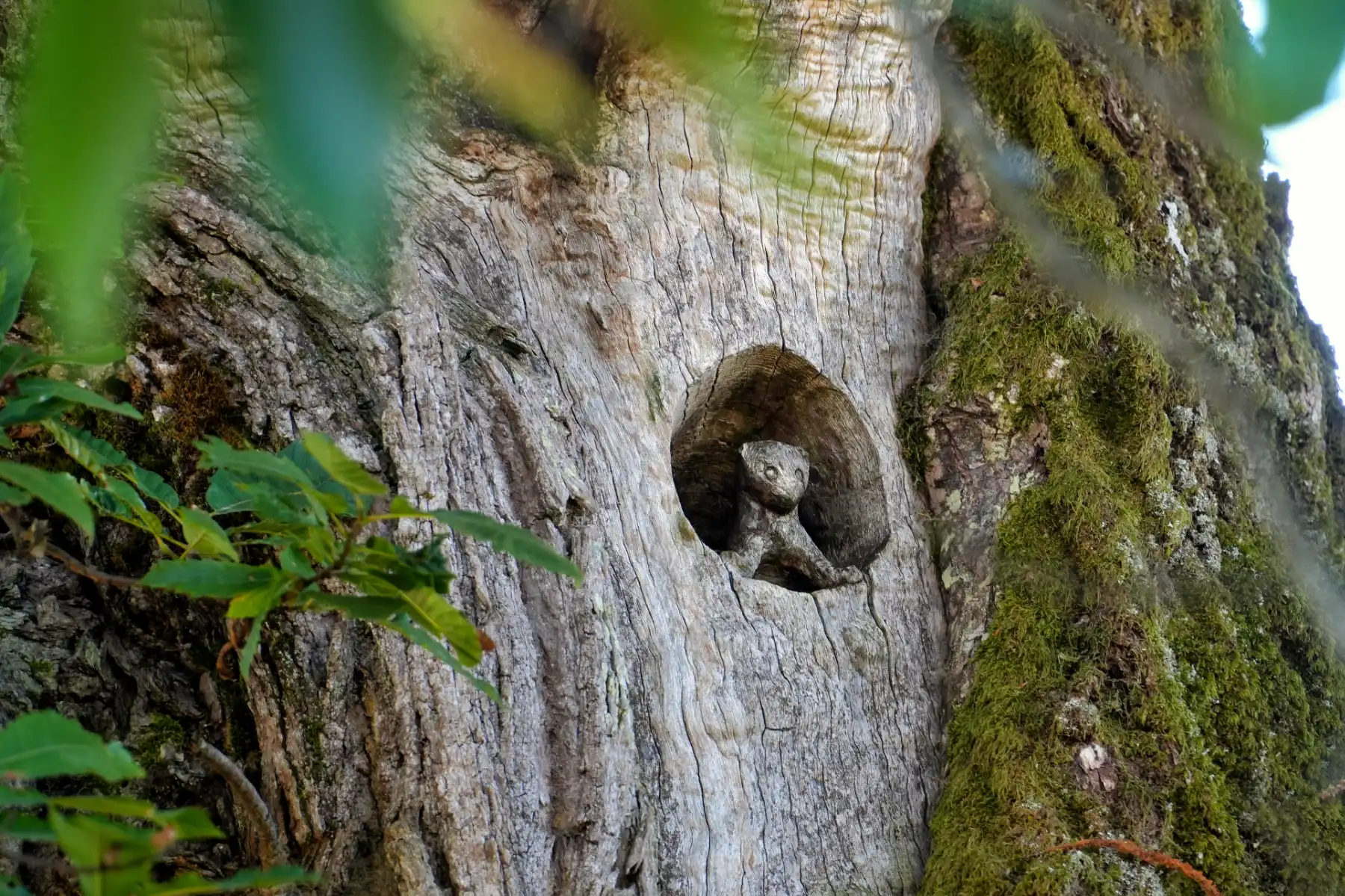
Over the years, he kept finding shapes in my wood. A marten peering out, a woodpecker and, above them all, a hand of God. To carve it, he spent hours suspended from a rope.

EL PUEBLO Y EL CAMINO

The marks of the place
I call home.

He also left Baamonde’s coat of arms and an image of Saint James the Apostle in my trunk. They belong to the place I call home: this village and the Northern Way to Santiago, which brings so many pilgrims past me on their way to Compostela.

As they pass, I offer them a moment’s rest and a story to take with them.

CHAPTER IV

The man
who saved me.
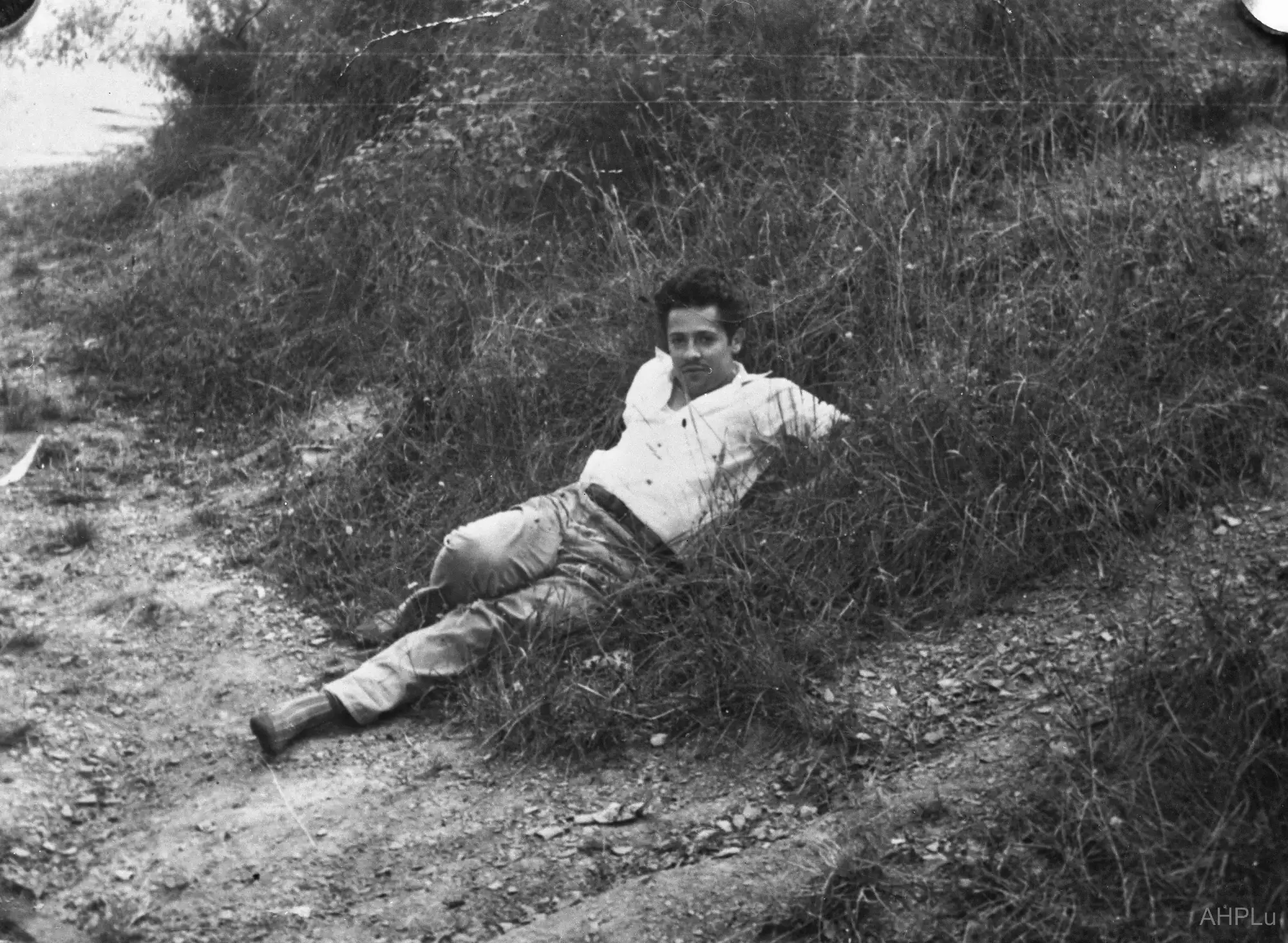
Víctor saved
my life.

And now that he is gone,
I want to tell you about his.

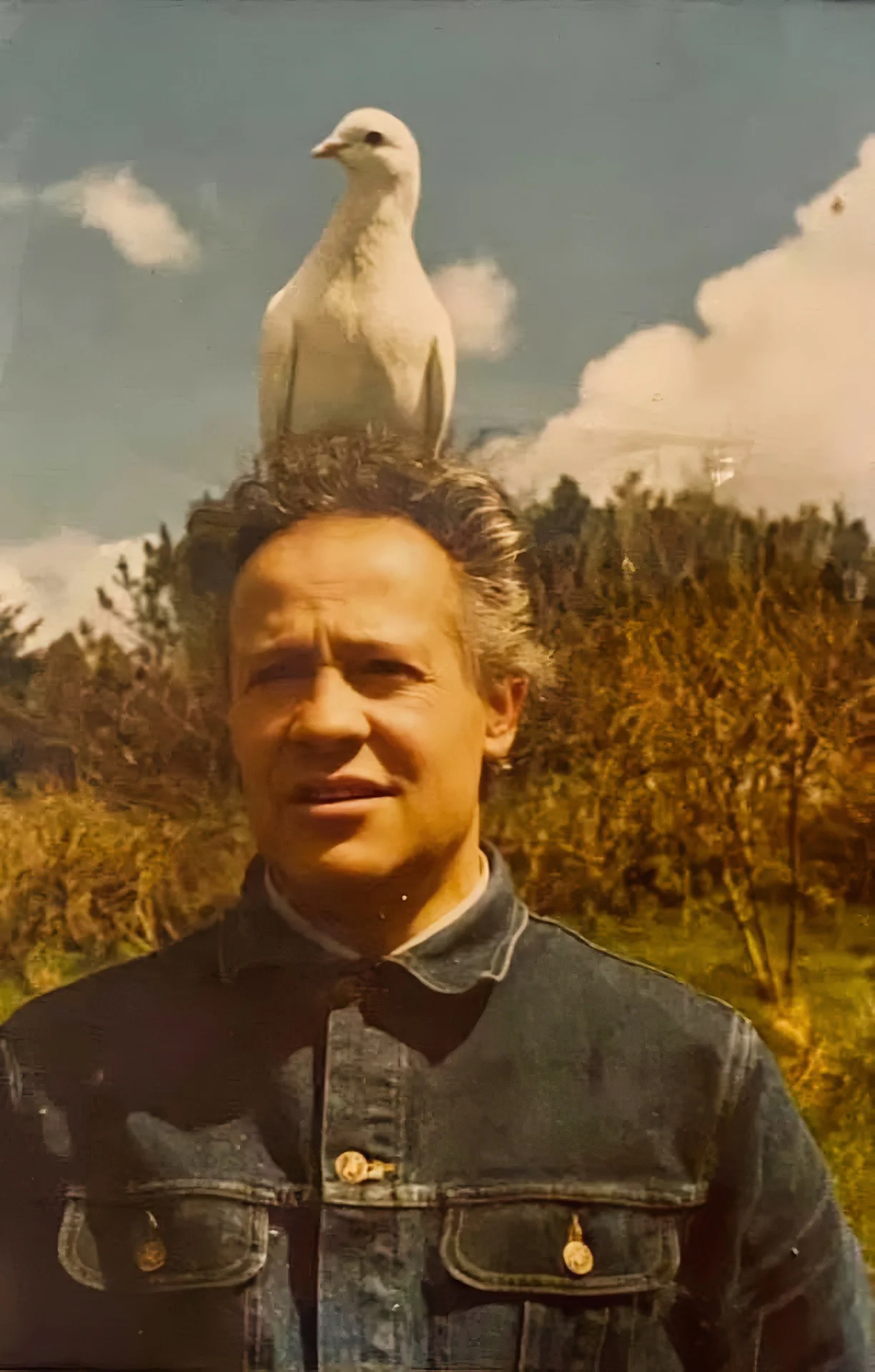
VÍCTOR CORRAL CASTRO · BAAMONDE, 1937–2021

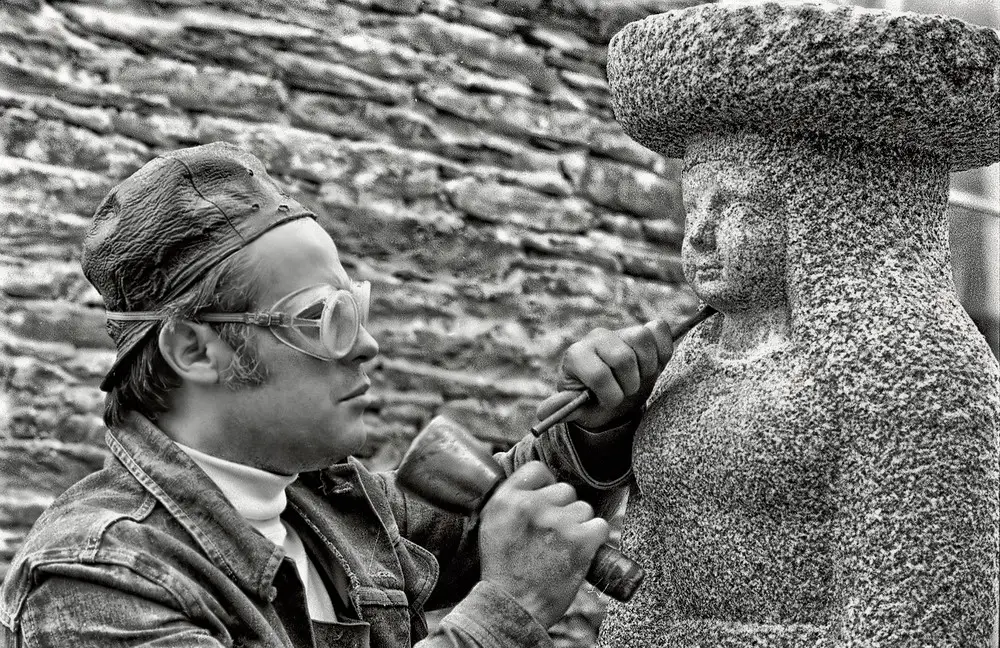
Víctor Corral en su taller, rodeado de sus esculturas.

WHERE IT ALL BEGAN

He learned to look.
And wanted to create.

The first stirrings of imagination | Lugo Provincial Historical Archive
01 · THE BEGINNINGS

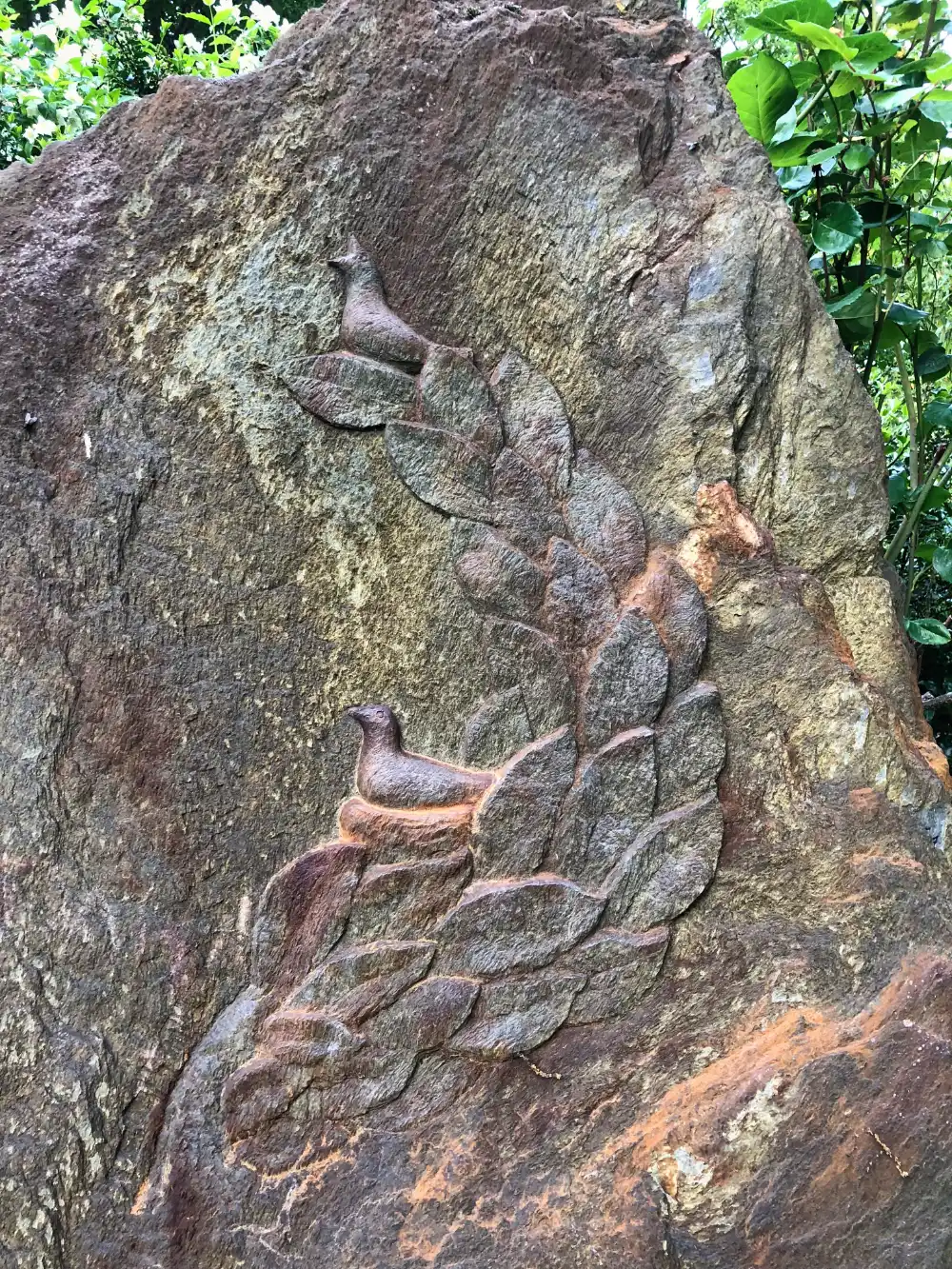
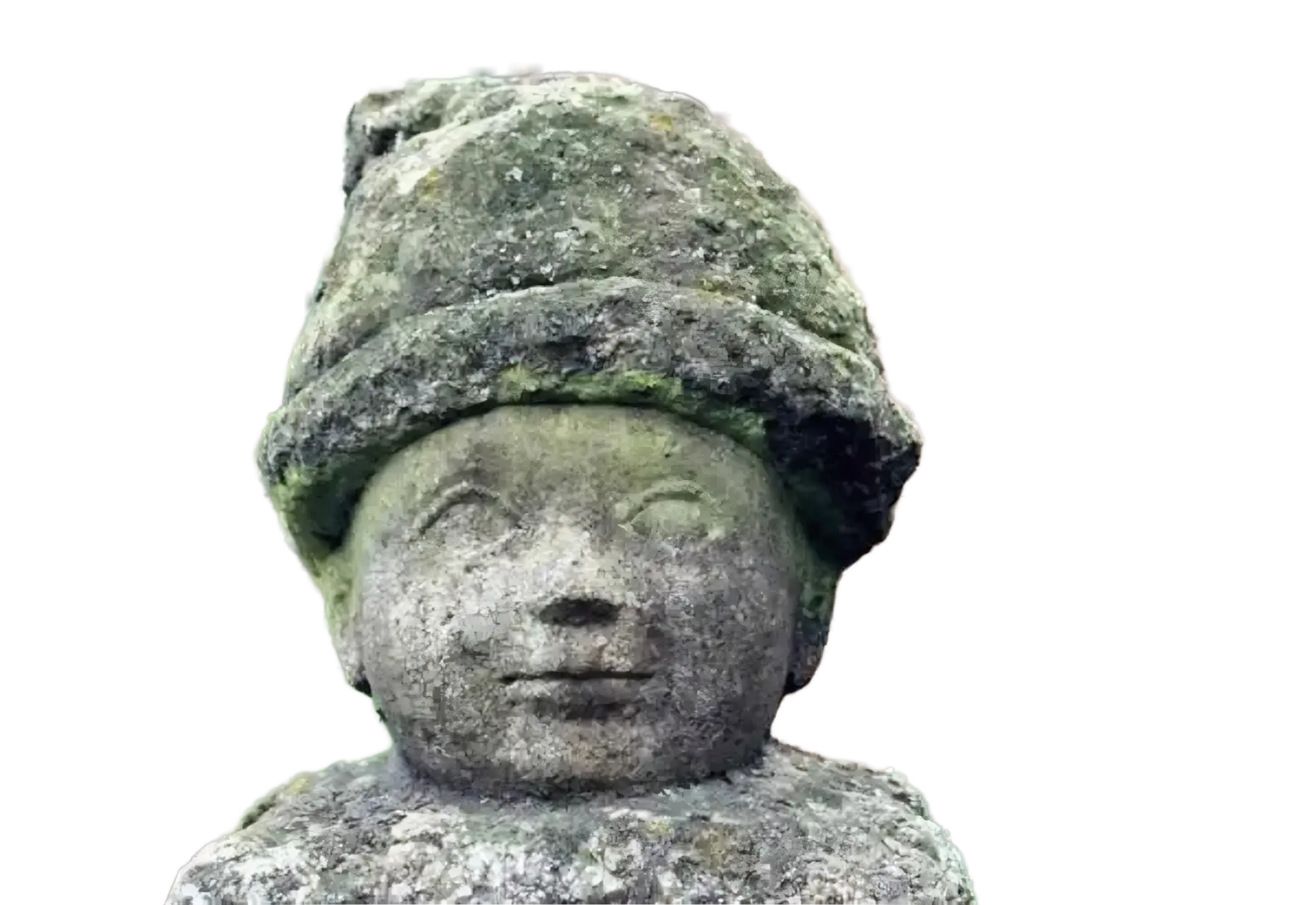
Víctor Corral was born in 1937. As a boy tending cattle in the hills, he carried a pocketknife and looked for shapes in stone and wood. At ten, he carved the church of Baamonde into a slab of stone.

02 · THE JOURNEY

His path took him to A Coruña and Barcelona, where he continued his training, opened a workshop and held his first exhibition in 1966. Other cities and other countries followed.

03 · THE RETURN

But Víctor wanted to return. His roots were here, along with his people and the landscape that had first stirred his wish to create.

04 · THE LEGACY

When he passed away in 2021, his work remained here. His House Museum preserves what he created through his own distinctive way of seeing. And I am still here, a guardian of his living legacy.

The hands that gave shape to his way of seeing | Photograph: Carlos Valcarcel

SCULPTOR · PAINTER · POET · PIPER

His way of seeing.

Image: Fondo Casa-Museo Victor Corral

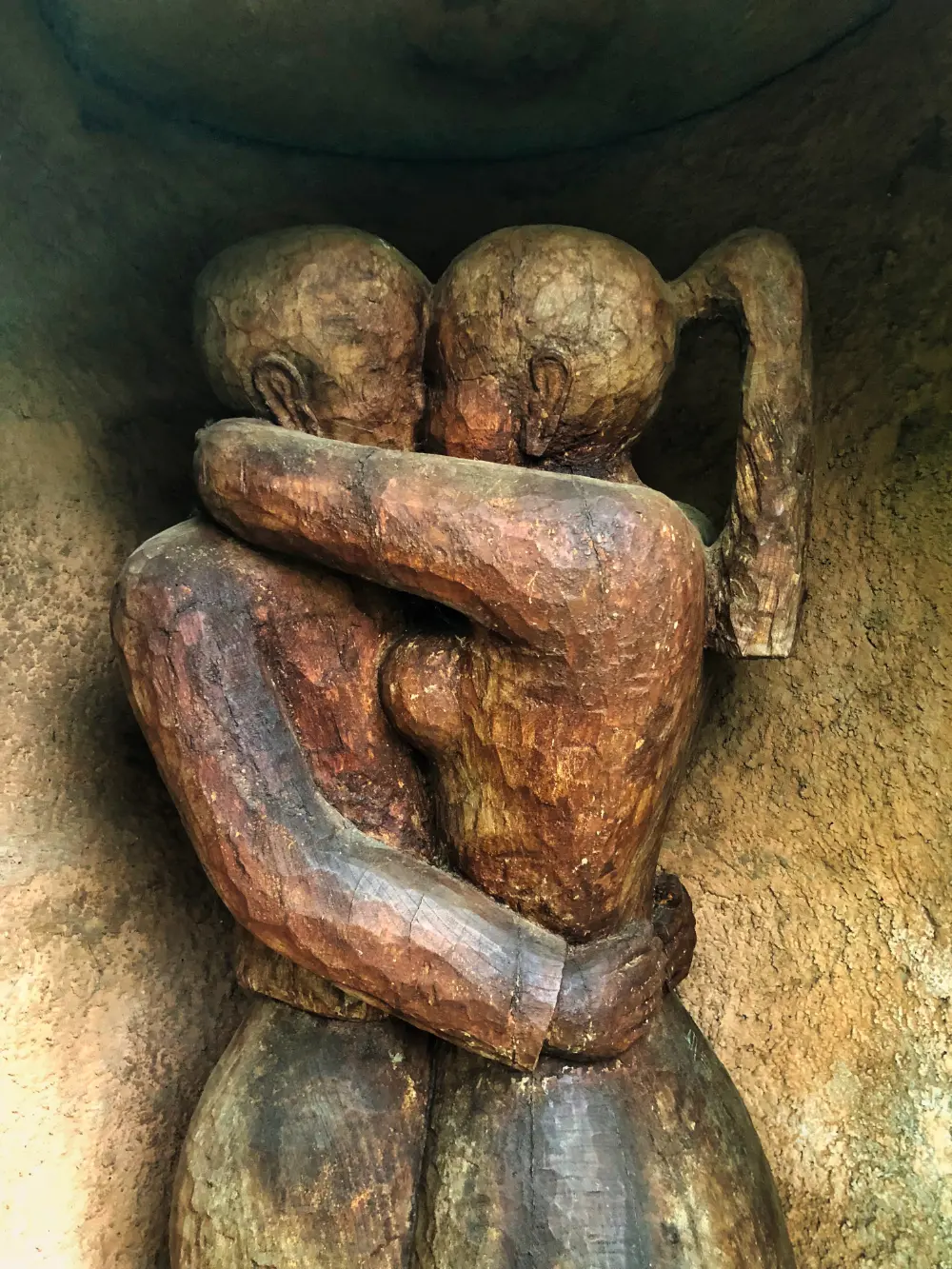
I knew the touch of his hands on my wood. Other works emerged from stone, bronze or small pieces of boxwood that he turned into delicate miniatures. He found different ways to express the same sensibility: a love of nature, a spiritual life and concern for others.

His works feature animals, human figures and hands that protect. They also express sorrow at war, hunger and injustice. His art gave shape to what he loved and what troubled him.

That is why his gesture towards me tells you so much about him. Caring for a tree was part of his commitment to the life around him.

THE HOUSE MUSEUM

A home for
his work.

Just up the road from me, Víctor built his House Museum. He wanted to bring his creations together there and preserve something from every stage of his life.

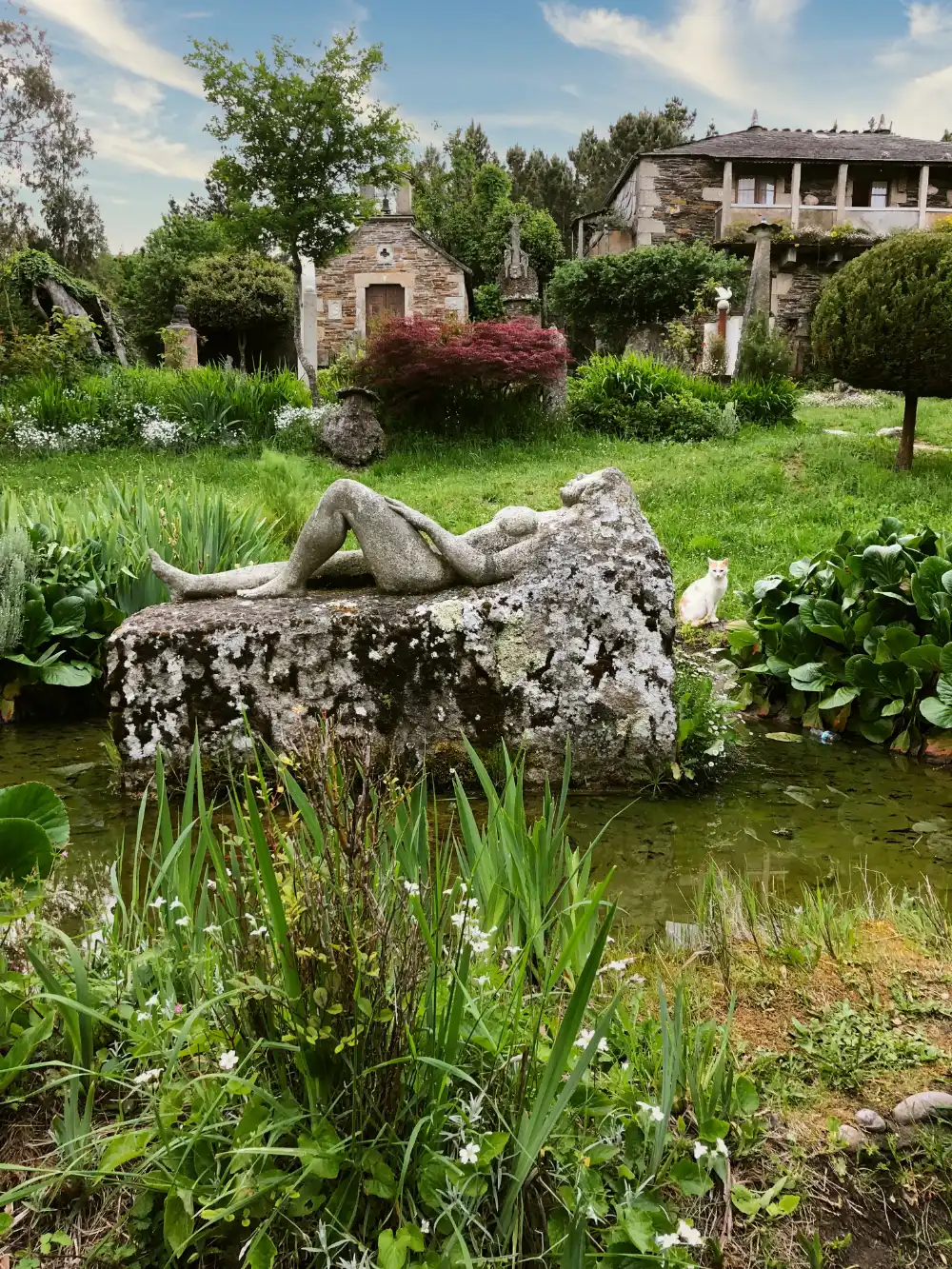
In the garden, sculptures stand among the plants. Inside, miniatures, carvings and paintings reveal other aspects of his world.

For years, he welcomed visitors himself, telling the story of each piece and sharing his memories.

CHAPTER V

This is my home.
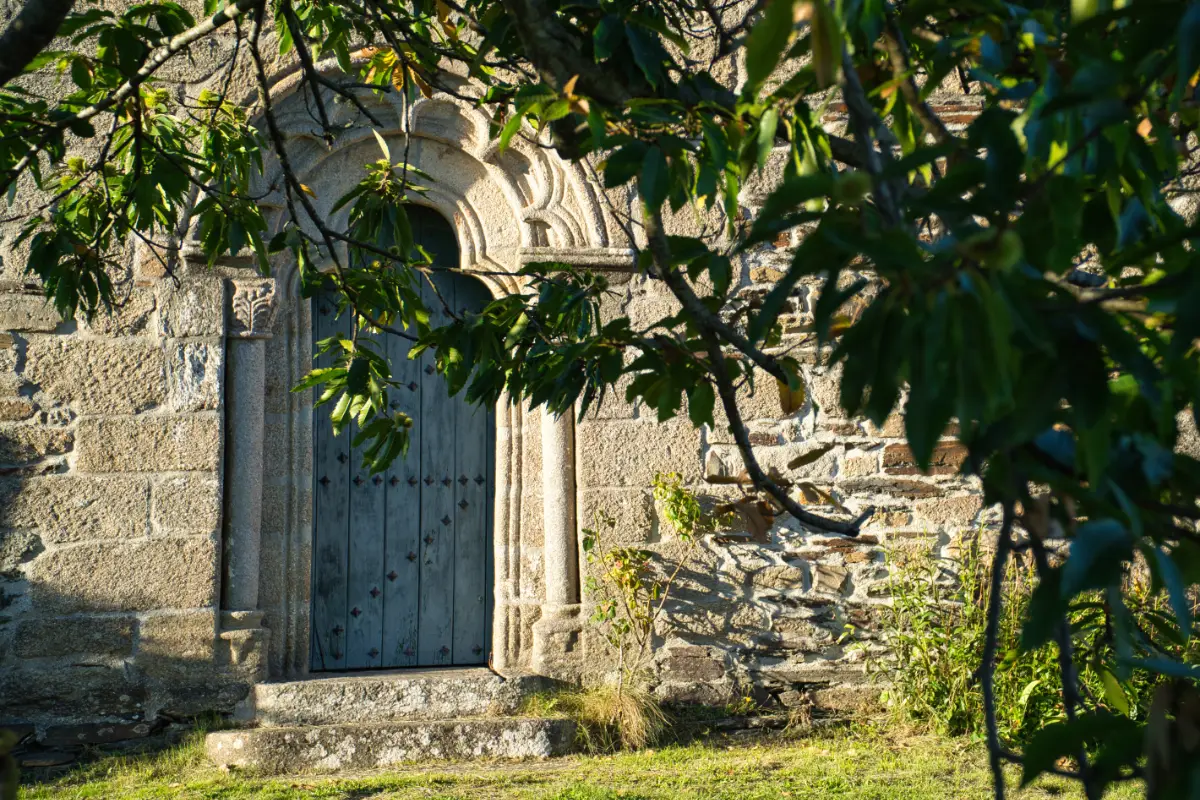
My roots are in Baamonde.

In a place where stones, trees and paths hold centuries of memory.

The Church, the Calvary and the Camino are my companions.

STONES THAT HOLD MEMORY

The church
of Santiago

1019

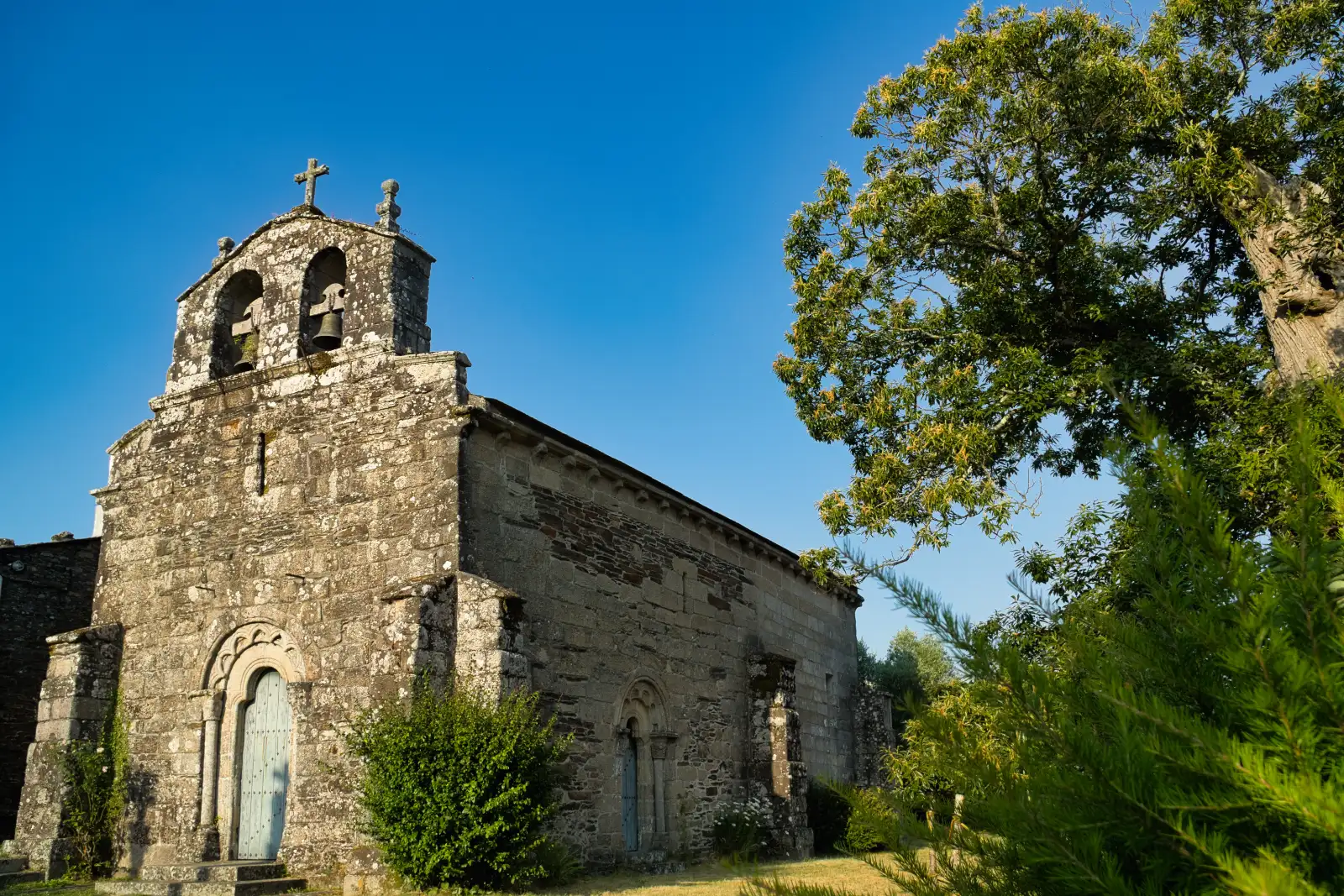
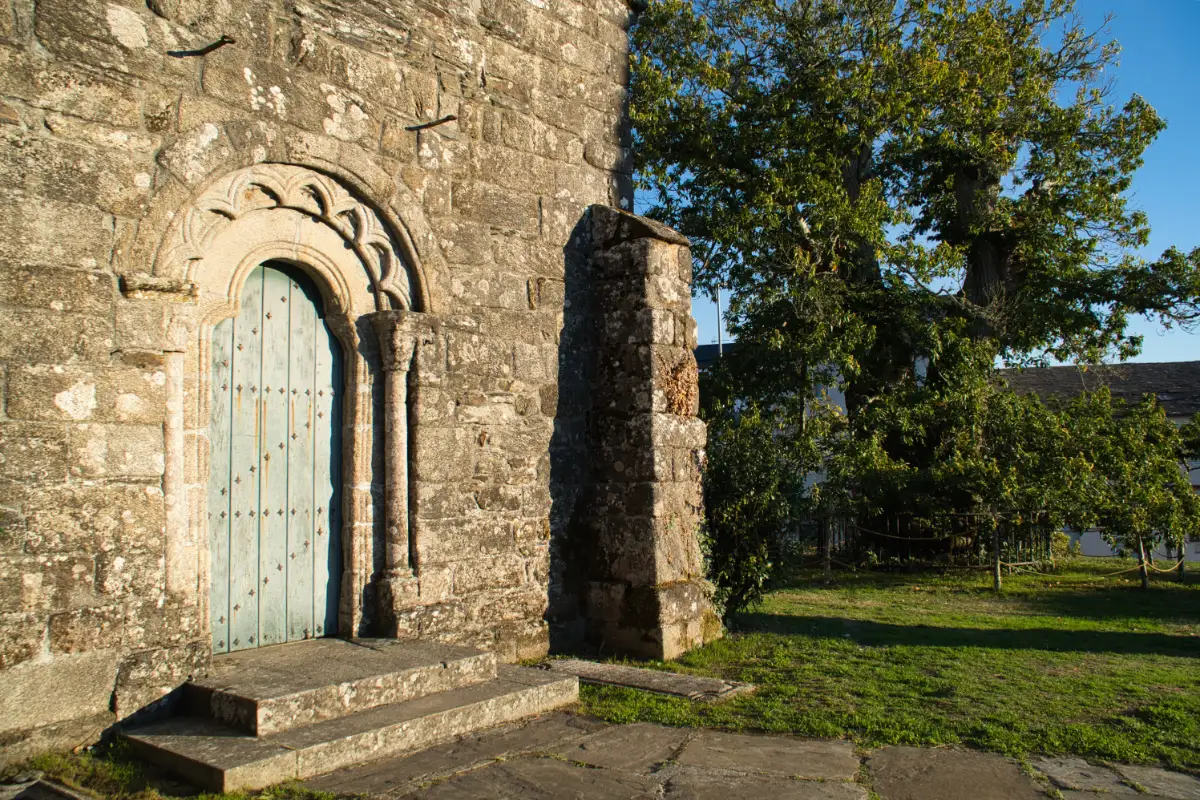
The history of Santiago de Baamonde is older than mine. A document from 1019 already mentions the place and its church.

The church bears traces of different periods, from its Romanesque baptismal font to the Gothic architecture that defines much of the building.

1690

A confraternity devoted to Our Lady of the Rosary was founded here. Centuries later, Víctor carved an image of her inside me.

THREE CROSSES BESIDE ME

The Calvary

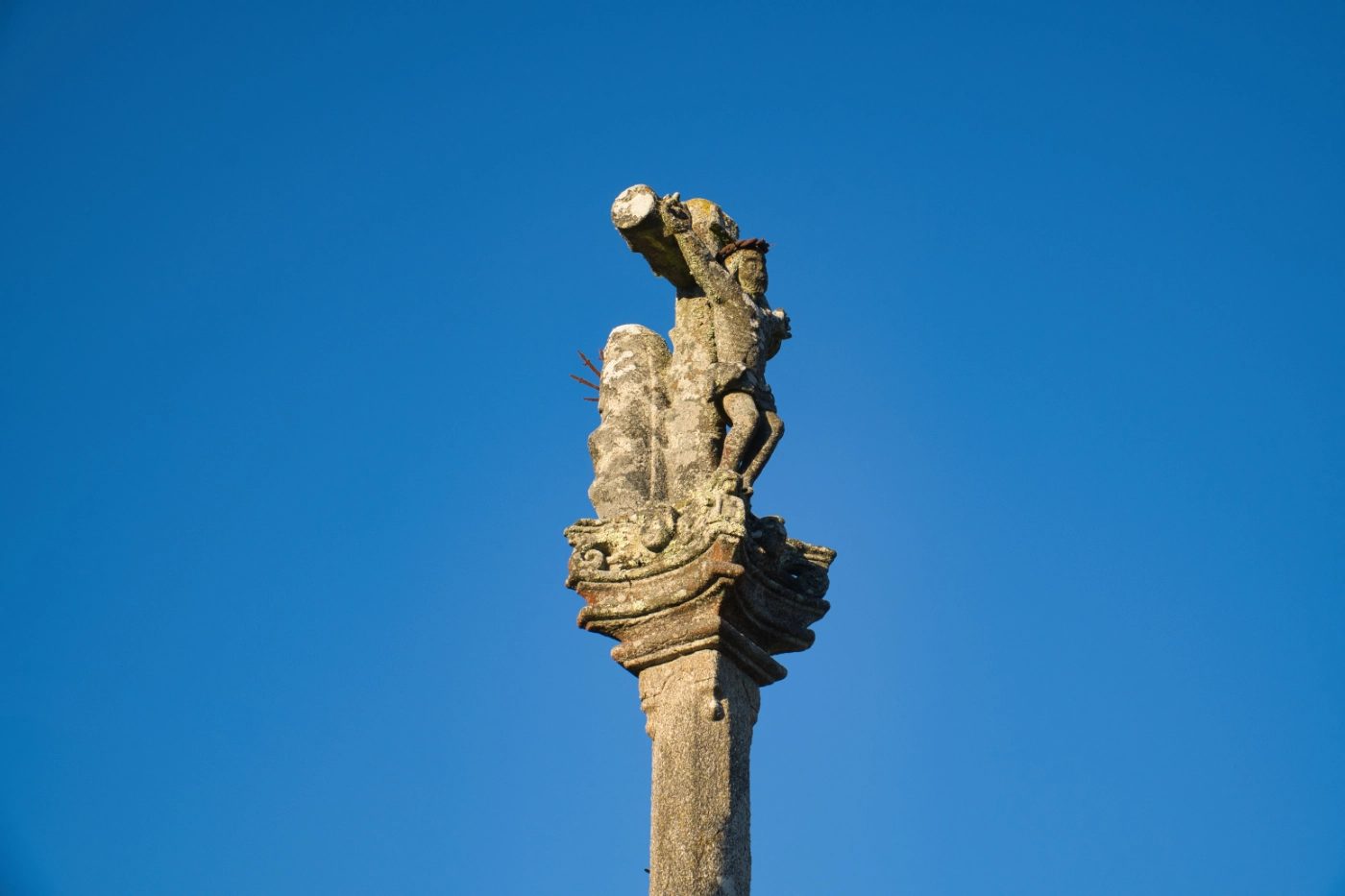
Beside me in the churchyard stands the Calvary of Baamonde, one of the few complete groups of three cruceiros, or stone wayside crosses, still standing in Galicia. This eighteenth-century ensemble has been restored and moved a short distance from its original position, and remains part of the place I call home.

Take a moment to look closer

On the central cross you will find Christ and, on the reverse, Our Lady of Sorrows with three iron daggers piercing her heart.

The stone takes the form of a tree with pruned branches. Perhaps that shape seems familiar, now that you know me.

THE NORTHERN WAY TO SANTIAGO

A pause along the Camino.

VilalbaKM 100BaamondeMirazSobradoArzúaO PedrouzoSantiago

The end of a stage for some, the start of the Camino for others.

Those walking the Northern Way to Santiago pass beside me. Here, the hundred-kilometre marker signals that Compostela is drawing closer. Many arrive from Vilalba. From here, the route continues towards Miraz and Sobrado dos Monxes before joining the French Way in Arzúa.

In Baamonde they find rest and a welcome, a place to meet and to set out again.

And here I remain as each traveller goes on, offering my shade and my story to those who stop to meet me. Perhaps, when you reach your destination, something of the quiet you found beneath my branches will still be with you.

HELP KEEP THIS STORY ALIVE

Share my story.

Take a little of my story with you.
Tell it to whoever walks beside you or to those waiting for you at home.

Comparte también un recuerdo o una imagen de tu visita.
Así, mi historia seguirá viajando con la tuya.

#castineirodacapela

Credits

Concept, design and web development

Boconti Estudio

Scriptwriting, photography and audiovisual

Boconti Estudio

Documentary sources

Catálogo Galego de Árbores Senlleiras

Lugo Provincial Historical Archive

La Voz de Galicia newspaper archive

El Progreso newspaper archive

Documentary holdings of the Víctor Corral House Museum

Holdings from the Galicia’s digital archive

Acknowledgements

Víctor Corral House Museum

Parish Church of Santiago de Baamonde and Diocese of Mondoñedo-Ferrol.

To all the companies that have contributed to this project.

This project was initiated by the Concello de Begonte and funded by the Consellería de Medio Ambiente e Cambio Climático da Xunta de Galicia under the 2026 call for applications for procedure MT804B: Grants for the conservation, protection and enhancement of trees and groups of trees included in the Catálogo Galego de Árbores Senlleiras, for local authorities.

Xunta de Galicia · Consellería de Medio Ambiente e Cambio Climático

Now your story
is part of mine too.